In today’s rapidly evolving technological landscape, businesses are constantly seeking innovative ways to gain a competitive edge. One such avenue is through the adoption of Enterprise AI solutions, which have the potential to transform industries and drive growth. Enterprise AI development and services provided by specialized companies are at the forefront of this revolution, offering businesses the tools they need to harness the power of artificial intelligence for improved efficiency, decision-making, and customer engagement.
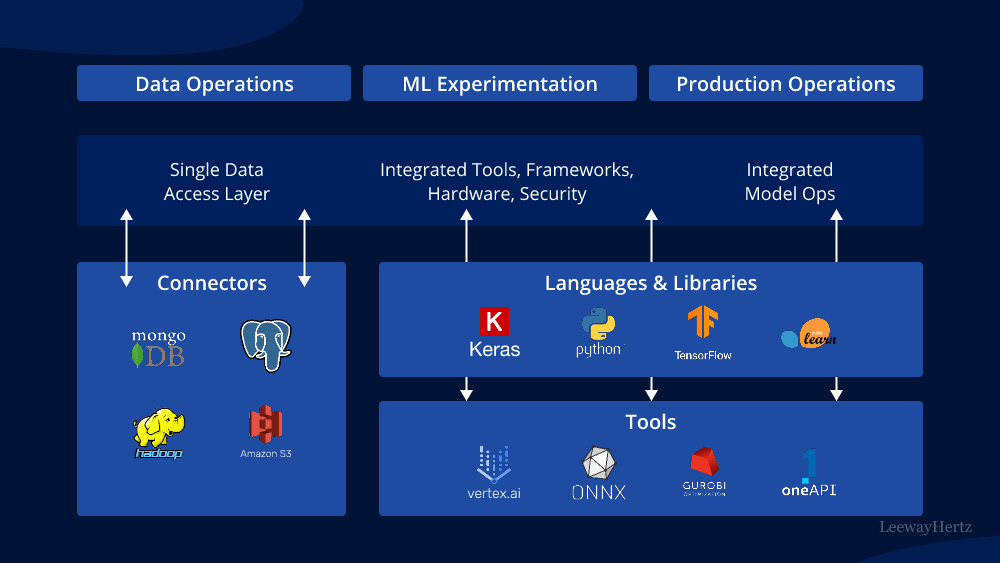
This article explores the role of Enterprise AI companies and the services they offer, shedding light on the profound impact of AI solutions on businesses across various sectors.
The Rise of Enterprise AI
Enterprise AI, also known as Business AI, refers to the use of artificial intelligence technologies within an organizational context. Unlike consumer-oriented AI applications, Enterprise AI focuses on addressing the unique challenges and needs of businesses, making it a key driver of digital transformation in the corporate world.
As organizations generate vast amounts of data, Enterprise AI leverages machine learning, natural language processing, computer vision, and other AI techniques to extract valuable insights, automate tasks, and enhance decision-making processes. This strategic use of AI has the potential to improve operational efficiency, reduce costs, and create new revenue streams.
Enterprise AI Development
The heart of Enterprise AI lies in its development. Enterprise AI development involves creating customized AI solutions tailored to meet the specific needs and objectives of a business. This is where Enterprise AI companies play a pivotal role. These specialized firms are equipped with the expertise and resources to build AI applications that align with an organization’s goals.
Key aspects of Enterprise AI development include:
- Data Integration: Successful Enterprise AI solutions start with effective data integration. Enterprise AI companies help organizations gather, clean, and integrate data from various sources to create a comprehensive dataset for AI model training.
- AI Model Building: Developing AI models that can perform tasks such as predictive analytics, anomaly detection, and recommendation systems. These models are trained on the integrated data to make accurate predictions and decisions.
- Customization: Tailoring AI solutions to address specific business challenges and objectives. This may involve creating chatbots for customer support, demand forecasting models, or fraud detection algorithms, among others.
- Deployment and Monitoring: Implementing AI solutions into existing business processes and continuously monitoring their performance to ensure they remain effective and relevant.
Enterprise AI Services
Enterprise AI companies offer a wide range of services that encompass every stage of the AI development process. These services can be categorized into several key areas:
- Consultation and Strategy: Before diving into AI development, businesses often require guidance on how to best leverage AI technologies. Enterprise AI companies provide strategic consulting services to help organizations identify AI opportunities, develop roadmaps, and align AI initiatives with their overall business strategies.
- Data Analytics and Insights: Gathering and analyzing data is a fundamental component of AI development. Enterprise AI services include data analysis to identify patterns, trends, and insights that can inform decision-making.
- AI Model Development: Building AI models tailored to a business’s specific needs is a core service provided by Enterprise AI companies. These models can range from chatbots and virtual assistants to image recognition systems and recommendation engines.
- Integration and Deployment: Integrating AI solutions seamlessly into existing business processes is essential. Enterprise AI services include deploying AI models and ensuring they work harmoniously with other systems.
- Maintenance and Support: AI models require ongoing maintenance and support to ensure they remain accurate and effective. Enterprise AI companies provide services to monitor and update AI models as needed.
- Security and Compliance: Protecting sensitive data and ensuring compliance with regulations is crucial. Enterprise AI services include implementing robust security measures and ensuring AI solutions adhere to legal and ethical standards.
Benefits of Enterprise AI Solutions
The adoption of Enterprise AI solutions offers a plethora of benefits to organizations across various industries:
- Improved Decision-Making: AI-powered analytics provide businesses with real-time insights, enabling better-informed decision-making. Whether it’s optimizing supply chain operations or refining marketing strategies, AI enhances the quality of decisions.
- Enhanced Customer Engagement: Chatbots and virtual assistants powered by AI can offer personalized customer experiences, answer queries 24/7, and improve customer satisfaction.
- Efficiency and Automation: AI can automate repetitive tasks, reducing human error and freeing up employees to focus on more strategic and creative endeavors.
- Cost Reduction: By automating processes and optimizing resource allocation, AI can help organizations reduce operational costs.
- Predictive Analytics: AI models can forecast trends, identify potential issues, and recommend proactive actions, helping businesses stay ahead of the curve.
- Competitive Advantage: Early adopters of Enterprise AI solutions gain a competitive advantage by being more agile and responsive to market changes.
Case Studies: Real-World Impact of Enterprise AI
- Healthcare: Enterprise AI has been used to analyze medical records and imaging data to improve diagnosis accuracy. For instance, IBM’s Watson for Oncology analyzes medical literature and patient records to assist oncologists in treatment decisions, offering personalized cancer care.
- Finance: AI-powered fraud detection systems analyze transaction data in real-time to identify and prevent fraudulent activities, saving financial institutions billions of dollars annually.
- Retail: Retailers use AI-driven recommendation engines to provide customers with personalized product recommendations, increasing sales and customer satisfaction. Amazon’s recommendation system is a prime example of this.
- Manufacturing: Predictive maintenance powered by AI helps manufacturers reduce downtime by forecasting equipment failures, allowing for timely maintenance and cost savings.
Conclusion
Enterprise AI development and services are transforming the way businesses operate in the modern world. These specialized companies offer organizations the tools and expertise needed to harness the full potential of artificial intelligence, from data integration and model development to deployment and maintenance.
As businesses continue to generate vast amounts of data, those that leverage Enterprise AI solutions will be better positioned to make informed decisions, enhance customer experiences, and gain a competitive edge in their respective markets. The adoption of Enterprise AI is not just a technological evolution; it’s a strategic imperative for businesses looking to thrive in the digital age.
 Archie Evans Business