Artificial Intelligence (AI) has rapidly evolved from a buzzword to a transformative force across various industries. It’s not just a futuristic technology; it’s here, now, and impacting our lives in ways we may not even realize. This article explores the diverse and increasingly critical AI use cases and applications that are shaping the present and future of our world.
Understanding AI: A Brief Overview
Before diving into the myriad applications of AI, let’s start by understanding what AI is and how it works. Artificial Intelligence refers to the simulation of human intelligence processes by machines, especially computer systems. This includes learning, reasoning, problem-solving, perception, and language understanding. AI systems can be categorized into two main types:

1. Narrow or Weak AI
Narrow AI is designed for a specific task and excels within the confines of that task. These systems are prevalent in our daily lives, such as virtual assistants, chatbots, and recommendation engines.
2. General or Strong AI
General AI is a more advanced form that possesses human-like intelligence, capable of understanding and performing a wide range of tasks. However, we’re not quite there yet, and most AI systems today fall under the narrow AI category.
The AI Use Cases Landscape
AI’s versatility knows no bounds. Its applications span across industries, from healthcare to finance, from manufacturing to entertainment. Let’s explore some of the most compelling AI use cases in different domains:
1. Healthcare and Medical Diagnosis
AI plays a vital role in healthcare, assisting in disease diagnosis, drug discovery, and patient care. Machine learning algorithms analyze medical data, helping doctors make more accurate diagnoses and predict patient outcomes.
2. Financial Services and Fraud Detection
Banks and financial institutions use AI to detect fraudulent transactions in real-time. AI models continuously learn from patterns and anomalies to improve their accuracy in identifying fraudulent activities.
3. Retail and Personalized Shopping
Online retailers employ AI to provide personalized shopping experiences. Recommendation algorithms analyze user behavior to suggest products, enhancing customer satisfaction and boosting sales.
4. Manufacturing and Quality Control
In manufacturing, AI-powered robots and systems perform quality control tasks, ensuring that products meet precise specifications. This reduces defects and improves efficiency.
5. Autonomous Vehicles and Transportation
Self-driving cars are a prime example of AI in transportation. Machine learning and computer vision enable vehicles to navigate, recognize obstacles, and make real-time decisions.
6. Natural Language Processing and Chatbots
Natural Language Processing (NLP) allows chatbots to converse with users in a human-like manner. They assist with customer support, answer queries, and provide information promptly.
7. Entertainment and Content Recommendation
Streaming platforms utilize AI to recommend content based on user preferences. This keeps viewers engaged and helps content providers retain subscribers.
8. Energy and Smart Grids
AI is used in energy management to optimize grid performance and reduce energy waste. Predictive analytics help utilities plan for peak demand periods efficiently.
9. Agriculture and Precision Farming
AI-driven agricultural tools help farmers make data-informed decisions about crop management, irrigation, and pest control, improving yields and sustainability.
10. Space Exploration and Research
AI is a crucial component of space exploration. It helps process vast amounts of data, analyze satellite images, and support mission planning.
The Future of AI: Emerging Use Cases
As AI continues to advance, it opens doors to even more exciting and innovative applications. Some of these emerging use cases include:
1. Healthcare Robotics and Surgery
AI-driven robots are increasingly used in surgical procedures, making surgeries more precise and less invasive.
2. Personalized Education
AI-based education platforms adapt to the learning style and pace of individual students, enhancing their learning experiences.
3. Climate Change Mitigation
AI can model and predict climate change, aiding in the development of strategies for mitigation and adaptation.
4. Cybersecurity
AI is essential in identifying and responding to cyber threats. It can detect patterns and anomalies in network traffic to prevent data breaches.
5. Language Translation
AI translation tools are becoming more accurate and natural-sounding, facilitating global communication.
6. Virtual Reality (VR) and Augmented Reality (AR)
AI enhances the immersive experience of VR and AR by improving object recognition and interaction.
The Ethical and Societal Implications
While the potential of AI is immense, it’s crucial to consider the ethical and societal implications of its applications. Issues like data privacy, bias in AI algorithms, and job displacement require careful attention and regulation.
AI’s use cases and applications continue to expand, reshaping industries and improving our lives in countless ways. From healthcare to entertainment, manufacturing to transportation, and beyond, AI’s impact is undeniable. As AI continues to evolve, it’s important to strike a balance between innovation and ethical considerations, ensuring that these technological advancements benefit society as a whole. The journey of AI is far from over, and we can expect to see even more remarkable developments in the near future.
AI in Fashion: Revolutionizing Retail
The fashion industry has always been characterized by rapid changes and innovation. In recent years, one of the most transformative forces in this sector has been Artificial Intelligence (AI). From personalized shopping recommendations to virtual try-on experiences, AI is revolutionizing the way consumers interact with fashion and how businesses operate within the industry. In this article, we will explore the numerous ways in which AI is reshaping the fashion retail landscape.
Personalized Shopping Experiences
AI-driven Personalization
In the world of online fashion retail, personalized shopping experiences have become a norm, and AI plays a pivotal role in making this a reality. AI algorithms are adept at analyzing user data, including past purchase history, browsing habits, and even demographic information, to provide tailored product recommendations.
Machine Learning Algorithms
Machine learning algorithms lie at the heart of personalized shopping recommendations. These algorithms continually refine their recommendations based on user behavior, leading to a highly individualized shopping experience. For example, when a customer browses for a particular style of shoes, the AI system can suggest complementary items such as bags or accessories, thereby increasing the likelihood of cross-selling.
Improved Customer Engagement
Personalization not only enhances customer satisfaction but also drives higher engagement and conversion rates. Retailers can target customers with precisely what they are looking for, improving the chances of a successful sale.
Virtual Try-Ons
Virtual Try-On Technology
One of the major challenges in online fashion retail is the inability to try on clothes before purchasing. However, AI has brought a solution to this problem with virtual try-on technology.
AR and AI Integration
Augmented Reality (AR) and AI are combined to create virtual try-on experiences. Customers can see how a particular outfit will look on them without physically trying it on. AI analyzes the customer’s body type and movements to provide a realistic representation of how the garment will fit and flow.
Reducing Return Rates
This technology not only enhances the online shopping experience but also helps in reducing return rates. Customers can make more informed decisions, leading to fewer returns due to size or fit issues.
Supply Chain Optimization
AI-Enhanced Supply Chains
Fashion brands and retailers are increasingly relying on AI to optimize their supply chains. This technology helps in predicting demand, managing inventory, and streamlining production.
Demand Forecasting
AI can analyze a plethora of data sources, including historical sales data, market trends, and even social media sentiments, to make accurate demand forecasts. This ensures that retailers can stock the right products in the right quantities, reducing both overstock and understock situations.
Inventory Management
Optimizing inventory is critical in fashion retail. AI systems help in identifying slow-moving items and can trigger discounts or promotions to clear inventory. Conversely, popular items can be reordered promptly, reducing lost sales opportunities.
Personalized Marketing Campaigns
AI-Driven Marketing
Marketing in the fashion industry is not just about the products but also the lifestyle and brand image. AI is being used to create highly personalized marketing campaigns that resonate with individual customers.
Customer Segmentation
AI can segment customers based on their preferences, behaviors, and purchase history. This enables the creation of targeted marketing campaigns that are more likely to yield positive results.
Dynamic Pricing
Dynamic pricing, influenced by AI, allows retailers to adjust prices in real-time based on factors like demand, competitor pricing, and inventory levels. This strategy can optimize revenue while keeping customers engaged.
Chatbots and Customer Support
AI-Powered Customer Support
AI-driven chatbots are becoming commonplace in the fashion retail sector. These chatbots can assist customers with product inquiries, order tracking, and even style recommendations.
24/7 Availability
One of the key benefits of chatbots is their availability around the clock. Customers can get answers to their queries and concerns even outside of regular business hours.
Handling High Volume
During peak shopping seasons, the volume of customer inquiries can be overwhelming. AI chatbots can handle large volumes of requests simultaneously, ensuring that customers do not face extended wait times.
Fraud Detection and Security
AI for Fraud Prevention
Fraud is a major concern in online retail. AI-powered systems are being used to detect and prevent fraudulent transactions, safeguarding both customers and businesses.
Anomaly Detection
AI algorithms can identify unusual patterns in transactions and flag them for further investigation. This helps in stopping fraudulent activities before they cause significant financial damage.
Enhanced Security
In addition to fraud detection, AI also plays a role in enhancing the overall security of e-commerce platforms. It can identify and mitigate vulnerabilities that may be exploited by cybercriminals.
The Future of AI in Fashion
AI-Driven Sustainability
The fashion industry is also becoming increasingly conscious of sustainability. AI is being used to reduce waste and make the entire fashion lifecycle more eco-friendly.
Sustainable Design
AI algorithms can assist in designing products that are both stylish and sustainable. This includes using environmentally friendly materials and reducing the carbon footprint of the manufacturing process.
Circular Fashion
AI can help in creating a circular fashion economy by optimizing product reuse, remanufacturing, and recycling. This not only reduces waste but also opens up new business models.
AI is undeniably transforming the fashion retail landscape. From personalized shopping experiences to supply chain optimization, AI is making fashion retail more efficient, customer-centric, and environmentally friendly. The integration of AI technologies will continue to shape the future of the fashion industry, providing opportunities for both consumers and businesses alike.
In the next article in this series, we will shift our focus to another industry and explore how AI is reshaping private equity and principal investment. Stay tuned for more insights on the evolving role of AI in various sectors.
AI in Private Equity and Principal Investment: Maximizing Returns and Minimizing Risk
The financial industry has always been data-driven, and with the advent of artificial intelligence (AI), it’s undergoing a transformative revolution. Private equity and principal investment, in particular, are benefiting from AI in ways that are reshaping the landscape of investment decision-making. In this article, we will explore how AI is being harnessed in the world of private equity and principal investment to maximize returns and minimize risk.

The Role of Private Equity and Principal Investment
Before delving into AI’s role in this field, it’s crucial to understand the basics of private equity and principal investment. Private equity refers to investments made in private companies, usually with the goal of taking a more active role in the management of the business. Principal investment, on the other hand, often pertains to investments made by financial institutions, such as banks and asset management firms, to generate a return on their capital. Both are characterized by their quest for higher returns, which often come with higher risks.
The Need for AI in Private Equity and Principal Investment
Investment decisions in private equity and principal investment are complex, often involving vast amounts of data and market analysis. Traditional decision-making relies on historical data, expert opinions, and market trends, but this approach has limitations. AI brings several critical advantages to the table:
1. Data Processing and Analysis
AI can swiftly process and analyze enormous datasets, uncovering patterns and insights that human analysts might miss. This is particularly valuable in private equity, where in-depth due diligence is crucial.
2. Predictive Analytics
AI models can predict market trends and assess the future performance of investments. This capability is vital for making well-informed investment choices.
3. Risk Assessment
AI can identify and assess risks in potential investments, helping investors make more informed decisions about the balance between risk and reward.
4. Portfolio Management
AI-powered systems can manage portfolios efficiently, rebalancing assets to optimize returns and minimize risk in real time.
Applications of AI in Private Equity and Principal Investment
AI’s applications in this sector are numerous and diverse. Here are some of the key ways in which AI is being used:
1. Deal Sourcing and Due Diligence
AI can help identify potential investment opportunities by scanning vast amounts of data, news articles, and financial reports. It can also assist in due diligence by analyzing the financial health and operational efficiency of target companies.
2. Predictive Modeling
AI can build predictive models that forecast the performance of investments based on historical data, market conditions, and a variety of other factors. This helps investors make data-driven decisions.
3. Risk Assessment and Management
AI is exceptional at risk assessment. It can identify various risk factors, including market risk, credit risk, and operational risk, allowing investors to take appropriate measures.
4. Portfolio Optimization
AI-driven portfolio management systems can continuously assess the performance of investments and optimize the portfolio to maximize returns while minimizing risk.
5. Alternative Data Analysis
AI can analyze alternative data sources like social media sentiment, satellite imagery, and consumer behavior patterns to gain unique insights that traditional financial data may not provide.
6. Regulatory Compliance
AI helps ensure compliance with complex and ever-evolving regulatory requirements, reducing the risk of legal issues and penalties.
Case Studies: Successes in AI-Driven Investments
To illustrate the real-world impact of AI in private equity and principal investment, let’s look at some case studies:
1. Bridgewater Associates
Bridgewater Associates, one of the world’s largest hedge funds, has been utilizing AI and machine learning for years to enhance its investment strategies. Their AI algorithms analyze market data and macroeconomic factors to make data-driven investment decisions.
2. Apollo Global Management
Apollo Global Management has employed AI for deal sourcing and due diligence. By automating parts of the due diligence process, they can quickly identify promising investment opportunities and make informed decisions.
3. Two Sigma
Two Sigma, a quantitative hedge fund, relies heavily on AI and machine learning to drive its investment strategies. They use AI models to analyze market data, identify trends, and execute trades.
4. KKR & Co. Inc.
KKR has embraced AI for optimizing their portfolio management. They use AI algorithms to assess the performance of their investments, make predictions, and rebalance their portfolios as needed to achieve optimal risk-return ratios.
Challenges and Ethical Considerations
While AI holds great promise for private equity and principal investment, it’s not without challenges. Some of the key concerns include:
1. Data Privacy and Security
Handling sensitive financial data and maintaining privacy and security are paramount in the financial industry. AI systems must be robust against data breaches and cyber threats.
2. Bias in AI Algorithms
AI algorithms can inherit biases from the data they are trained on, potentially leading to unfair or discriminatory investment decisions. Careful monitoring and adjustment are needed to mitigate bias.
3. Lack of Transparency
AI models can be highly complex and difficult to interpret, making it challenging to understand the reasoning behind their recommendations. Transparent AI models are essential for trust and accountability.
The Future of AI in Private Equity and Principal Investment
As AI continues to advance, its role in private equity and principal investment will only become more significant. We can anticipate several developments:
1. Enhanced Decision-Making
AI will play an even larger role in decision-making, providing investors with more accurate predictions and improved risk management.
2. Greater Integration of Alternative Data
AI will increasingly incorporate non-traditional data sources to gain unique insights and improve investment strategies.
3. Regulatory Compliance
AI-driven regulatory compliance will become more sophisticated, ensuring that financial institutions adhere to complex and ever-changing regulations.
4. Ethical AI
Efforts to mitigate bias and increase the transparency of AI models will gain prominence, making AI more trustworthy and accountable.
AI is reshaping the landscape of private equity and principal investment by providing data-driven insights, improving decision-making, and maximizing returns while minimizing risks. As technology continues to advance, we can expect AI to become an even more integral part of the investment process, revolutionizing the way financial professionals approach their work. Embracing AI is not just a choice; it’s increasingly becoming a necessity for staying competitive in the world of finance. The future of private equity and principal investment is undoubtedly intertwined with the future of artificial intelligence.
Leveraging AI for Trade Promotion Optimization: Boosting ROI and Efficiency
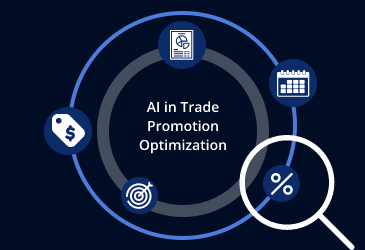
In the competitive landscape of consumer goods and retail, trade promotion optimization is a critical component for success. Companies invest significant resources in trade promotions to attract customers, increase sales, and drive brand loyalty. However, the complexity and unpredictability of consumer behavior and market dynamics make optimizing trade promotions a challenging task. This is where Artificial Intelligence (AI) steps in, offering innovative solutions to enhance the effectiveness of trade promotions. In this article, we will explore the role of AI in trade promotion optimization, its benefits, and real-world examples of companies reaping the rewards of this technology.
The Challenge of Trade Promotion Optimization
Trade promotions are a common strategy for consumer goods companies, especially in sectors like food, beverages, and personal care. These promotions include discounts, coupons, special displays, and other incentives aimed at attracting customers and increasing sales during specific periods. While they can be powerful tools, they often pose several challenges:
1. Unpredictable Consumer Behavior
Consumers’ responses to trade promotions can be erratic. Factors such as personal preferences, economic conditions, and cultural influences can affect their purchasing decisions.
2. Margin Erosion
Ineffective trade promotions can lead to reduced profit margins when discounts exceed the additional revenue generated.
3. Inventory Management
Sudden spikes in demand during promotions can strain a company’s supply chain and inventory management.
4. Coordination
Coordinating trade promotions across various products and retailers is a complex task that requires precision and timing.
AI presents a solution to these challenges, helping companies make data-driven decisions and optimize their trade promotions.
How AI Transforms Trade Promotion Optimization
Artificial Intelligence has the potential to revolutionize trade promotion optimization by leveraging the power of data and analytics. Here’s how AI technologies are making a difference:
1. Data Analysis and Forecasting
AI systems can analyze historical sales data, market trends, and external factors to predict the outcomes of different promotion strategies. This helps companies make informed decisions and allocate resources more effectively.
2. Personalized Promotions
AI can create customer profiles based on their preferences and buying habits. This allows companies to tailor promotions to individual customers, increasing the likelihood of conversion.
3. Dynamic Pricing
AI algorithms can adjust prices in real-time based on demand, competition, and inventory levels. This dynamic pricing strategy can maximize revenue while ensuring profitability.
4. Inventory Management
AI-driven demand forecasting ensures that companies maintain the right inventory levels to meet increased demand during promotions, reducing the risk of stockouts or overstocking.
5. Promotion Optimization
AI can optimize promotion schedules, deciding when and how to run promotions for maximum impact. This prevents promotion overlap and ensures efficient resource allocation.
Real-World Applications
Let’s look at some real-world examples of companies that have successfully integrated AI into their trade promotion optimization strategies:
1. Procter & Gamble (P&G)
P&G, one of the world’s largest consumer goods companies, has been at the forefront of using AI for trade promotion optimization. They implemented an AI-powered system that analyzes a variety of data sources, including sales history, weather data, and social media trends. This system helped them make more accurate predictions and allocate promotional resources more efficiently. As a result, P&G experienced a 10% increase in ROI on trade promotions.
2. PepsiCo
PepsiCo is another example of a company benefiting from AI in trade promotion optimization. They used machine learning algorithms to identify the best pricing and promotional strategies for their products. By optimizing the timing and depth of discounts, they achieved a 5% increase in sales and a 5% reduction in promotion costs.
3. Anheuser-Busch InBev
The global brewing company, Anheuser-Busch InBev, adopted AI to enhance its trade promotion strategies. AI algorithms helped them analyze vast amounts of data, including historical sales, market conditions, and consumer behavior. This data-driven approach allowed them to refine their promotional tactics and improve ROI by 8%.
These examples illustrate how AI is helping consumer goods companies navigate the complexities of trade promotion optimization and achieve significant returns on their investments.
Challenges and Considerations
While AI offers tremendous potential for improving trade promotion optimization, there are challenges and considerations to keep in mind:
1. Data Quality
The effectiveness of AI algorithms relies on the quality of data. Companies must ensure that their data sources are accurate and up to date.
2. Change Management
Implementing AI technologies may require changes in organizational culture and processes. Employees need to adapt to data-driven decision-making.
3. Costs
Investing in AI can be expensive, particularly for smaller companies. Careful cost-benefit analysis is necessary to determine the feasibility of AI adoption.
4. Ethical Concerns
AI’s use in personalized promotions must be approached with caution to avoid privacy and ethical issues.
Conclusion
Trade promotion optimization is a critical aspect of the consumer goods industry, and AI is proving to be a game-changer in this field. By harnessing the power of data analysis, personalization, and dynamic pricing, companies can significantly improve their ROI on trade promotions. Real-world examples like P&G, PepsiCo, and Anheuser-Busch InBev demonstrate the tangible benefits of incorporating AI into trade promotion strategies.
As AI technologies continue to evolve, consumer goods companies that embrace AI for trade promotion optimization will likely gain a competitive edge. With the ability to adapt quickly to changing consumer preferences and market conditions, AI is reshaping the future of trade promotions, making them more efficient, profitable, and customer-focused.
In the next article in this series, we’ll explore the role of AI in Business Process Automation and how it’s transforming operations across various industries. Stay tuned to discover how AI is streamlining processes and improving efficiency.
AI in Business Process Automation: Transforming Workflows and Productivity
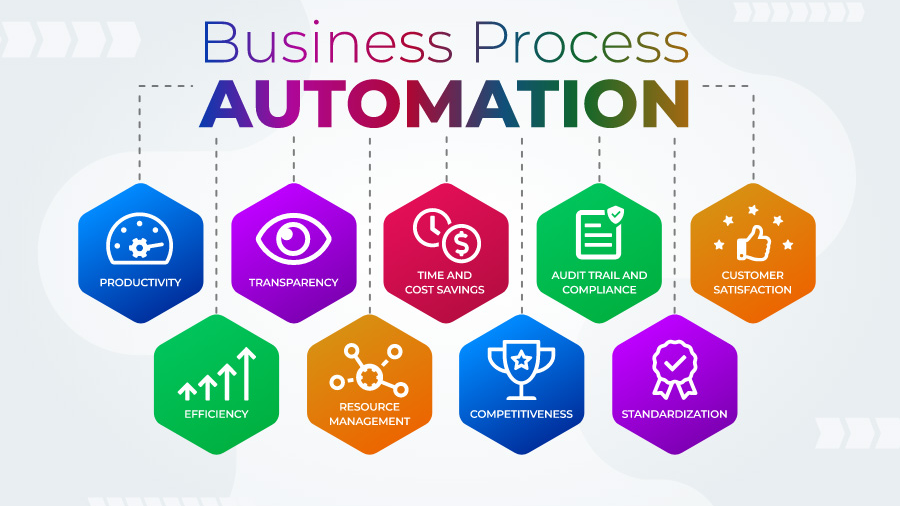
In an era defined by rapid technological advancement, businesses face increasing pressure to optimize operations, improve efficiency, and reduce costs. This imperative has given rise to the adoption of artificial intelligence (AI) in the realm of business process automation. The integration of AI technologies has the potential to revolutionize how companies manage workflows, enhance employee productivity, and ultimately gain a competitive edge in today’s fast-paced business environment.
The Evolving Landscape of Business Process Automation
Traditionally, business process automation (BPA) involved the use of basic software solutions to streamline repetitive tasks and workflows. While these tools provided some degree of automation, they often fell short in handling complex and dynamic business processes. As organizations grew, they found themselves struggling to manage a multitude of tasks, resulting in inefficiencies, errors, and increased operational costs.
AI, with its capacity to learn, adapt, and make data-driven decisions, has emerged as a transformative force in BPA. Here, we delve into the ways AI is reshaping the landscape of business process automation and its impact on modern enterprises.
1. Enhancing Workflow Efficiency
One of the primary benefits of AI in BPA is the enhancement of workflow efficiency. AI-powered systems can analyze existing workflows, identify bottlenecks, and suggest improvements. This leads to more streamlined, efficient processes, reducing the time and effort required to complete tasks.
Example: Consider a customer support center. AI-driven chatbots can handle routine inquiries, leaving human agents to focus on more complex issues. This division of labor results in quicker response times and improved customer satisfaction.
2. Intelligent Data Extraction and Processing
Handling large volumes of data is a common challenge in many business processes. AI algorithms, particularly natural language processing (NLP) and optical character recognition (OCR), excel in extracting, organizing, and processing data from diverse sources. This capability is invaluable in scenarios such as invoice processing, document management, and data entry.
Use Case: Legal firms can utilize AI to extract and categorize legal documents, significantly reducing the time required for legal research and document retrieval.
3. Predictive Analytics for Decision-Making
AI’s predictive analytics capabilities are a game-changer for business processes. By analyzing historical data, AI systems can predict future trends and outcomes, allowing organizations to make data-driven decisions. This is especially beneficial in supply chain management, inventory optimization, and financial forecasting.
Illustration: E-commerce companies can employ AI to predict demand for products, ensuring that inventory levels are optimal, reducing the risk of overstock or understock situations.
4. Personalized Customer Experiences
In a customer-centric era, personalization is key to success. AI in BPA enables organizations to tailor customer interactions and offerings based on individual preferences and behavior. This results in improved customer satisfaction and increased sales.
Case Study: Online streaming services employ AI algorithms to recommend content based on users’ viewing history and preferences, keeping customers engaged and subscribed.
5. Reduction in Error Rates
Manual data entry and repetitive tasks often result in errors that can be costly and time-consuming to rectify. AI can drastically reduce error rates by automating such tasks with a high degree of accuracy. This leads to improved data quality and reduced operational risks.
Example: Financial institutions utilize AI in transaction processing to detect fraudulent activities in real-time, preventing unauthorized transactions.
6. Employee Empowerment
Contrary to concerns about AI replacing human workers, it often complements their capabilities. AI systems can take over repetitive, mundane tasks, allowing employees to focus on tasks that require creativity, empathy, and critical thinking. This empowers employees and enhances job satisfaction.
Case in Point: Human resources departments can use AI for resume screening, leaving HR professionals to conduct interviews and engage with candidates more meaningfully.
7. Scalability and Adaptability
One of the unique advantages of AI-driven BPA is its scalability and adaptability. These systems can handle increased workloads as organizations grow, and they can quickly adapt to changes in business processes and market conditions.
Illustration: E-commerce businesses can easily scale their AI-driven customer service solutions to accommodate a surge in customer inquiries during peak shopping seasons.
The Challenges of Implementing AI in BPA
While the benefits of AI in business process automation are clear, there are challenges to consider. These include the cost of implementation, data privacy concerns, the need for employee upskilling, and the potential for algorithmic bias. Addressing these challenges is crucial for successful integration.
Cost of Implementation
Implementing AI in BPA requires an upfront investment in technology, training, and integration. Smaller businesses may find these costs prohibitive, but as the technology matures, it is becoming more accessible.
Data Privacy
The use of AI often involves the processing of sensitive customer data. Organizations must ensure compliance with data protection regulations, such as GDPR, to protect customer privacy.
Employee Upskilling
As AI takes over routine tasks, employees must be upskilled to take on more complex roles. Training and development programs are necessary to equip the workforce with the skills needed to work alongside AI systems.
Algorithmic Bias
AI algorithms can inherit bias from the data they are trained on. To avoid perpetuating bias, organizations must carefully curate and monitor their training data.
The Future of AI in Business Process Automation
The integration of AI in BPA is not a passing trend but a fundamental shift in how businesses operate. As AI technologies continue to advance, we can expect even more innovative applications in BPA, including:
- Enhanced Security: AI-driven cybersecurity solutions will become more critical as businesses face an increasing number of cyber threats.
- Cognitive Automation: AI will evolve to understand and interpret unstructured data, further automating complex tasks.
- Collaborative Bots: Human-AI collaboration will become more seamless, with AI bots working alongside employees as digital coworkers.
- Blockchain Integration: AI and blockchain technologies will converge to enhance transparency and trust in business processes.
- Edge Computing: AI will increasingly be deployed at the edge, closer to where data is generated, enabling real-time decision-making and reducing latency.
AI in business process automation holds the promise of revolutionizing how organizations operate. It empowers businesses to achieve greater efficiency, enhance decision-making, and offer more personalized experiences to customers. However, its implementation comes with challenges that require careful consideration and planning. As AI technologies continue to evolve, the possibilities for AI in BPA are limitless, and companies that embrace these innovations are poised to thrive in the ever-changing business landscape.
Harnessing AI for Fuel Distribution Control: Efficiency, Sustainability, and Beyond
In a world increasingly focused on sustainable practices, fuel distribution control has become a critical concern for energy and logistics companies. From optimizing routes for fuel delivery to predicting equipment maintenance, artificial intelligence (AI) is making its mark in the fuel distribution industry. This article explores the transformative impact of AI in fuel distribution control, examining the challenges, solutions, and the broader implications for the energy and logistics sectors.

The State of Fuel Distribution
Fuel distribution is a cornerstone of our modern society. It ensures that gasoline, diesel, and other fuels reach the pumps at gas stations and the tanks of industries, homes, and vehicles. The challenge lies in maintaining a consistent supply while minimizing costs and environmental impact.
Traditionally, fuel distribution has relied on manual planning and decision-making processes. Managers would schedule deliveries based on historical data, intuition, and often inadequate predictive tools. This approach, while functional, was far from optimal. It often led to inefficient routes, fuel wastage, unnecessary emissions, and costly unplanned equipment maintenance.
The AI Revolution in Fuel Distribution
Enter AI, with its ability to process vast amounts of data and make informed decisions in real-time. The fuel distribution industry is now benefiting from AI in several ways:
1. Route Optimization
AI algorithms can analyze historical data, real-time traffic information, and weather conditions to optimize fuel delivery routes. These algorithms can help delivery trucks avoid traffic jams, reduce idle time, and plan more efficient routes that minimize fuel consumption.
2. Demand Forecasting
Predicting fuel demand is critical for optimizing distribution. AI models can analyze various factors, such as historical sales, seasonality, and economic indicators, to make accurate demand forecasts. This helps in ensuring the right amount of fuel is delivered at the right time.
3. Predictive Maintenance
AI-powered predictive maintenance systems can monitor the health of vehicles, storage tanks, and distribution equipment. By analyzing data from sensors and historical performance, these systems can predict when maintenance is needed, reducing the risk of costly breakdowns and downtime.
4. Inventory Management
AI systems can help manage fuel inventory more effectively, ensuring that stock levels are neither excessive nor insufficient. This minimizes storage costs and the risk of fuel shortages.
5. Environmental Impact Reduction
AI-driven route optimization and demand forecasting not only save fuel but also reduce greenhouse gas emissions. This aligns with the growing emphasis on sustainability and environmental responsibility.
Challenges in Implementing AI
While AI offers a host of benefits in fuel distribution, it is not without its challenges:
1. Data Quality and Availability
AI algorithms rely heavily on data. Inaccurate or insufficient data can lead to suboptimal results. Companies must invest in data collection, storage, and quality assurance to make the most of AI.
2. Integration with Legacy Systems
Many energy and logistics companies have legacy systems in place. Integrating AI solutions with these existing systems can be complex and costly.
3. Cybersecurity
AI systems are vulnerable to cyberattacks. Fuel distribution systems, in particular, need robust security measures to protect against data breaches or system manipulation.
4. Workforce Adjustment
AI implementation often necessitates workforce adjustments. Companies need to upskill employees and plan for potential job displacement.
5. Regulatory Compliance
The energy sector is highly regulated. AI solutions must comply with industry-specific regulations, adding another layer of complexity to implementation.
Case Studies: AI in Action
Let’s explore some real-world examples of AI in fuel distribution control:
1. Shell’s Use of AI
Shell, a global energy company, has implemented AI-powered route optimization for its fuel delivery trucks. By analyzing traffic patterns, weather conditions, and real-time demand data, Shell has reduced fuel consumption and emissions, contributing to both cost savings and environmental goals.
2. BP’s Predictive Maintenance
BP utilizes AI to predict when equipment at its fuel distribution facilities requires maintenance. This proactive approach has resulted in reduced downtime, substantial cost savings, and improved safety.
3. ExxonMobil’s Demand Forecasting
ExxonMobil employs AI models to forecast fuel demand accurately. This has allowed them to optimize inventory levels and improve the efficiency of their distribution network.
Future Implications and Beyond Fuel Distribution
The adoption of AI in fuel distribution control extends beyond the immediate benefits. It sets the stage for a more significant transformation of the energy and logistics sectors:
1. Sustainability Initiatives
As mentioned earlier, AI can help reduce emissions and improve sustainability. This aligns with global efforts to transition to cleaner energy sources and reduce the carbon footprint.
2. Cost Savings
AI-driven efficiency translates to cost savings for companies, which can be reinvested in research, development, and other growth initiatives.
3. Improved Customer Service
Efficient distribution means fewer disruptions for customers. Reliable fuel supply leads to increased customer satisfaction and loyalty.
4. Skill Enhancement
The integration of AI in fuel distribution necessitates upskilling of the workforce. This can result in a more skilled and adaptable workforce, ready to embrace new technologies.
5. Broader Energy Sector Transformation
AI is not limited to fuel distribution. It is being employed in various segments of the energy sector, from optimizing renewable energy production to enhancing grid management.
Conclusion
AI’s role in fuel distribution control is revolutionizing an industry that is vital to our modern way of life. With route optimization, demand forecasting, predictive maintenance, and more, AI is optimizing operations, reducing costs, and contributing to a more sustainable future.
However, the implementation of AI in this sector comes with its own set of challenges, from data quality to cybersecurity. Overcoming these hurdles will be essential for companies to fully embrace the potential of AI in fuel distribution control.
As the energy and logistics sectors continue to adopt AI, we can expect a ripple effect that will lead to more sustainable, efficient, and customer-centric operations. The integration of AI in fuel distribution is a testament to the broader transformation of industries driven by data, analytics, and intelligent decision-making.
In the next article of this series, we will explore the growing significance of AI in optimizing business processes across various industries, emphasizing the need for automation and efficiency. Stay tuned for more insights into the world of AI-driven advancements!
From AI’s role in fashion, where it personalizes experiences and enhances supply chains, to its presence in private equity and principal investment, fueling data-driven decision-making, we’ve witnessed the transformative potential of AI in a range of contexts.
AI’s penetration into trade promotion optimization and business process automation exemplifies its capacity to optimize strategies, cut costs, and enhance efficiency in consumer goods and corporate sectors. And in fuel distribution control, AI emerges as a driving force, not only streamlining operations but also reducing environmental impact.
As AI continues its ascent, it’s clear that its impact transcends individual industries. It reshapes our approach to sustainability, efficiency, and customer satisfaction. The AI revolution is not confined to one field; it’s a global transformation, shaping a future where data-driven decisions and intelligent automation stand as central pillars in our quest for a more connected, efficient, and sustainable world.
 Archie Evans Business