AI in Anomaly Detection: Transforming Business Security and Efficiency
In today’s data-driven world, anomalies can be either a harbinger of new opportunities or a sign of impending threats. Detecting and addressing anomalies, whether in financial transactions, network activities, or other domains, is critical for maintaining the security and efficiency of business operations. With the advent of Artificial Intelligence (AI), anomaly detection has undergone a profound transformation. This article explores the role of AI in anomaly detection, its applications, and the benefits it offers to businesses.

Introduction
Anomaly detection, also known as outlier detection, is the process of identifying patterns in data that do not conform to expected behavior. These anomalies can take various forms, from irregular financial transactions to network intrusions, equipment malfunctions, or unusual customer behaviors. Traditional methods of anomaly detection often relied on rule-based systems, statistical analysis, or basic machine learning techniques. While these methods have been effective to some extent, they often struggled with the complexity and variability of modern data.
AI, particularly in the form of machine learning and deep learning, has emerged as a powerful tool for anomaly detection. Its ability to learn from data, adapt to changing patterns, and recognize subtle deviations makes it an ideal candidate for tackling the challenges of anomaly detection in the 21st century.
The Role of AI in Anomaly Detection
1. Machine Learning Algorithms
AI systems for anomaly detection leverage various machine learning algorithms, such as Support Vector Machines (SVM), k-Nearest Neighbors (k-NN), and clustering methods. These algorithms can automatically identify anomalies in datasets without relying on predefined rules. They can recognize complex patterns and outliers that might go unnoticed by traditional systems.
2. Deep Learning and Neural Networks
Deep learning, a subset of machine learning, has gained prominence in anomaly detection. Deep neural networks, especially Convolutional Neural Networks (CNNs) and Recurrent Neural Networks (RNNs), excel in detecting anomalies in image, video, and time-series data. They can learn hierarchical features and capture temporal dependencies, making them highly effective in diverse applications.
3. Unsupervised Learning
Unsupervised learning methods are particularly useful for anomaly detection because they do not require labeled data. One-class SVM, autoencoders, and Gaussian Mixture Models (GMM) are unsupervised algorithms that can identify anomalies by learning the normal patterns in the data and flagging anything that deviates from these norms.
4. Transfer Learning
Transfer learning is another AI technique that enhances anomaly detection. Models pre-trained on vast datasets for specific tasks can be fine-tuned for anomaly detection in specific domains. This approach leverages the knowledge acquired from broader datasets to improve anomaly detection in narrower contexts.
Applications of AI in Anomaly Detection
1. Fraud Detection in Financial Transactions
AI-driven anomaly detection has significantly improved fraud detection in the financial industry. Machine learning models can analyze millions of transactions in real-time, identifying irregularities in spending patterns, withdrawal locations, and more, thus mitigating financial fraud.
2. Cybersecurity
In the realm of cybersecurity, AI is employed to identify anomalous network behavior. It can detect unusual data traffic, patterns of access, or other signs of potential cyber threats, allowing organizations to respond swiftly to protect their data and systems.
3. Manufacturing Quality Control
Manufacturers use AI to enhance quality control. Anomaly detection algorithms can spot defects in products, machinery malfunctions, or deviations from standard production processes, reducing waste and ensuring product quality.
4. Healthcare
In healthcare, AI is used to identify anomalies in patient data, aiding in the early detection of diseases. Machine learning models can flag unusual symptoms, vital signs, or lab results, facilitating timely intervention and treatment.
Benefits of AI in Anomaly Detection
AI-powered anomaly detection brings several advantages to businesses:
1. Improved Accuracy and Sensitivity
AI algorithms can detect anomalies with a high degree of accuracy and sensitivity. They can identify subtle deviations that human analysts might miss, reducing false positives and negatives.
2. Real-time Detection
AI enables real-time anomaly detection, allowing businesses to respond swiftly to emerging threats or opportunities. This is especially crucial in cybersecurity and financial fraud prevention.
3. Reduced Workload
AI automates the detection process, reducing the workload on human analysts. This not only saves time but also allows experts to focus on more complex and strategic tasks.
4. Adaptability
AI models can adapt to changing data patterns. As businesses evolve, AI can learn and recognize new anomalies, ensuring ongoing security and efficiency.
Conclusion
AI has revolutionized the field of anomaly detection, offering businesses powerful tools to safeguard their operations and optimize their processes. The ability to detect anomalies accurately and in real-time is vital in an era of constant data flow and evolving threats. From fraud detection in financial transactions to quality control in manufacturing and healthcare, the applications of AI in anomaly detection are vast and impactful. As businesses continue to leverage AI technologies, the future holds even more promise for enhancing security and efficiency through anomaly detection.
AI in Fashion: Revolutionizing Personalized Recommendations
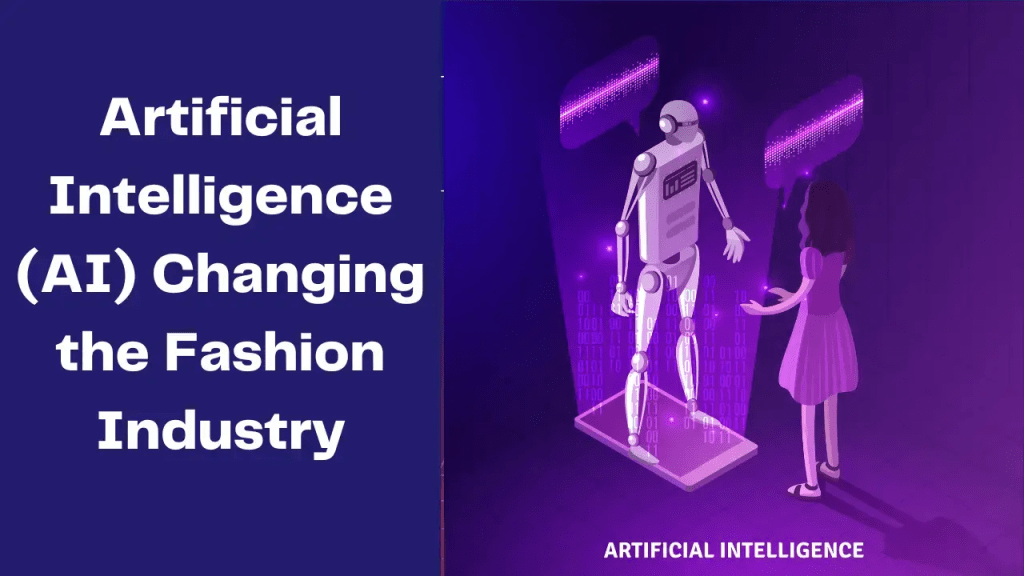
In today’s rapidly evolving fashion landscape, consumers are inundated with a seemingly endless array of choices. From clothing and accessories to footwear and cosmetics, the fashion industry offers a multitude of options, making it both exciting and overwhelming for shoppers. To cut through the noise and deliver a tailored shopping experience, the fashion industry has turned to artificial intelligence (AI) to revolutionize personalized recommendations.
The Power of Personalization
The concept of personalization in fashion is not new. Retailers have long strived to understand their customers’ preferences and offer products that align with individual tastes. However, traditional methods of personalization often relied on limited data and simplistic algorithms, resulting in less accurate and less effective recommendations. Enter AI, which has disrupted the fashion industry by harnessing the power of big data and advanced machine learning techniques to create a more personalized and engaging shopping experience.
Data-driven Insights
AI-driven personalized recommendations in the fashion industry begin with data. Retailers collect a wealth of data on customer behaviors, including browsing history, purchase history, and even social media interactions. This data forms the foundation for AI algorithms to analyze and draw insights from. These insights help in understanding customer preferences, style choices, and even the latest fashion trends.
Machine Learning Algorithms
The heart of AI-based fashion recommendation systems lies in machine learning algorithms. These algorithms process vast amounts of data to identify patterns, correlations, and trends. For instance, they can recognize that a customer who frequently purchases formal wear is unlikely to be interested in casual clothing, or that someone who follows certain fashion influencers on social media may prefer trendy and up-to-date styles. Machine learning continually refines its recommendations as it gathers more data, making it increasingly accurate over time.
Fashion Industry Applications
AI-powered personalized recommendations are reshaping various aspects of the fashion industry, from e-commerce platforms to brick-and-mortar stores. Here are some of the key applications:
1. E-commerce Websites
Online shopping platforms utilize AI to provide product recommendations based on a customer’s browsing and purchase history. These recommendations appear as “You may also like” or “Recommended for you” sections, enticing customers to explore and purchase complementary items.
2. Virtual Fitting Rooms
AI-driven virtual fitting rooms enable customers to virtually try on clothing and accessories. By analyzing a customer’s body measurements and style preferences, these systems suggest the most suitable items, reducing the chances of returns due to size or style mismatches.
3. Personalized Styling Services
Some fashion brands and retailers offer personalized styling services powered by AI. Customers answer a few style-related questions, and AI algorithms create complete outfits or suggest coordinating items that match the customer’s taste.
4. Inventory Management
AI is also used in the backend of fashion retail, helping retailers manage their inventory more effectively. Predictive analytics and demand forecasting algorithms ensure that popular items remain in stock while minimizing overstock of less popular products.
Benefits of AI in Fashion Personalization
The integration of AI in fashion personalization offers several benefits to both retailers and customers:
1. Enhanced Customer Experience
AI-powered recommendations make shopping more enjoyable and convenient. Customers feel like they are receiving a tailored experience, which fosters loyalty and repeat business.
2. Increased Sales
By suggesting products that align with a customer’s style and preferences, retailers can boost their sales and conversion rates. Customers are more likely to make a purchase when they see products that resonate with their tastes.
3. Reduced Returns
Virtual fitting rooms and accurate style recommendations can significantly reduce the rate of returns, which is a common challenge in online fashion retail. This helps retailers save on return processing costs and improves sustainability by reducing unnecessary shipping.
4. Data-Driven Insights
AI systems generate valuable insights from customer data, enabling retailers to make informed decisions about inventory, marketing strategies, and product development. This data-driven approach allows for agility in responding to changing market trends.
Challenges and Considerations
While AI in fashion personalization offers tremendous advantages, there are several challenges and considerations to keep in mind:
1. Data Privacy
Collecting and analyzing customer data for personalized recommendations raises privacy concerns. Retailers must be transparent about their data practices and ensure data security and compliance with regulations.
2. Algorithmic Bias
AI algorithms can inadvertently introduce bias if not carefully designed and monitored. Ensuring fairness and impartiality in recommendations is essential.
3. Customer Acceptance
Not all customers may be comfortable with AI-driven personalization. Some may prefer a more traditional shopping experience. Retailers should offer options for customers to opt in or out of personalized recommendations.
4. Continuous Learning
AI systems require ongoing maintenance and updates to remain effective. Retailers must invest in resources to ensure that their AI systems adapt to evolving customer preferences.
The Future of Fashion Personalization
The future of AI in fashion personalization holds great promise. As technology continues to advance, we can expect even more sophisticated recommendation systems that consider a broader range of data points, such as real-time fashion trends, weather, and personal events. AI will play a pivotal role in making fashion retail more efficient, enjoyable, and sustainable.
AI in Private Equity and Principal Investment: A Data-Driven Approach
Private equity and principal investment have long been domains that rely on meticulous data analysis, risk assessment, and investment decision-making. Traditionally, these processes have been time-consuming and heavily dependent on human expertise. However, the advent of artificial intelligence (AI) is changing the landscape. AI is enabling a data-driven approach that enhances the efficiency and effectiveness of private equity and principal investment strategies. In this article, we will explore how AI is transforming these industries, highlighting the use cases, benefits, and challenges associated with its adoption.

The Role of AI in Private Equity and Principal Investment
AI has become a game-changer in private equity and principal investment by offering advanced data analytics and automation tools that augment decision-making processes. Let’s delve into the key roles of AI in these sectors:
1. Data Analysis and Processing
One of the fundamental strengths of AI is its ability to process and analyze vast amounts of data at a speed that would be impossible for humans to match. Private equity and principal investment involve analyzing financial data, market trends, and economic indicators. AI can swiftly sift through these data sources, identify patterns, and generate insights.
2. Risk Assessment and Due Diligence
AI-driven algorithms can assess investment risks more comprehensively and quickly than manual methods. They can incorporate a wider range of data sources, including unstructured data from news articles, social media, and financial reports, to assess potential risks and opportunities. This is particularly valuable in situations where rapid decisions are essential.
3. Portfolio Management
AI can assist in optimizing portfolio management by suggesting changes to the allocation of assets based on market conditions, historical data, and future predictions. This leads to a more balanced and potentially profitable portfolio.
4. Deal Sourcing and Screening
AI can automate the process of deal sourcing by scouring various databases for potential investments. Machine learning models can be trained to screen and rank potential investments according to predefined criteria, streamlining the due diligence process.
5. Performance Monitoring
AI is invaluable for continuous performance monitoring. Real-time data feeds and AI-powered analytics tools can help investors keep a close eye on the performance of their investments, enabling them to react promptly to any significant changes or issues.
Benefits of AI Adoption in Private Equity and Principal Investment
The integration of AI in private equity and principal investment brings several significant advantages:
1. Enhanced Decision-Making
AI’s data-driven insights can help investors make more informed decisions, reducing the element of uncertainty and subjectivity.
2. Speed and Efficiency
AI automates many time-consuming processes, speeding up tasks such as data analysis and portfolio management. This can be crucial in fast-moving financial markets.
3. Risk Mitigation
Advanced AI algorithms can identify potential risks and vulnerabilities in investments, enabling investors to make proactive decisions to mitigate these risks.
4. Cost Reduction
Automation and efficiency improvements brought by AI can significantly reduce operational costs, making investment processes more cost-effective.
5. Improved Investment Performance
AI-driven portfolio management and real-time performance monitoring can lead to better investment performance.
Use Cases of AI in Private Equity and Principal Investment
To understand how AI is being practically applied in these industries, let’s look at some compelling use cases:
1. Predictive Analytics
AI can analyze historical data to make predictions about future market trends. This is especially valuable for anticipating market fluctuations and investment opportunities.
2. Deal Screening
Machine learning models can screen potential deals based on criteria such as financial health, industry trends, and risk levels. This streamlines the process of identifying the most promising investment opportunities.
3. Due Diligence Automation
AI can automate due diligence processes by extracting and analyzing data from various documents, contracts, and reports. This accelerates the assessment of potential investments.
4. Algorithmic Trading
In principal investment, AI is used in algorithmic trading strategies that respond to market data and execute trades in real-time. These strategies aim to capitalize on price fluctuations.
5. Portfolio Optimization
AI-driven portfolio optimization models constantly analyze market data and recommend adjustments to achieve the desired risk-return balance.
Challenges in Implementing AI in Private Equity and Principal Investment
While the potential benefits of AI in private equity and principal investment are significant, there are challenges to overcome:
1. Data Privacy and Security
The handling of sensitive financial data requires strict adherence to data privacy and security regulations. AI systems must be robust in protecting against breaches and data leaks.
2. Lack of Historical Data
Some AI models rely on historical data for training. In the case of emerging or niche markets, obtaining sufficient historical data can be a challenge.
3. Regulatory Compliance
Financial industries are highly regulated, and AI models must comply with these regulations. Ensuring that AI-driven decisions meet regulatory requirements is crucial.
4. Explainability and Transparency
AI models can be complex and challenging to interpret. Investors may have difficulty understanding the basis for AI-driven recommendations, which can pose a trust issue.
The Future of AI in Private Equity and Principal Investment
The adoption of AI in private equity and principal investment is expected to increase. As AI technologies continue to evolve, they will become even more integral to investment strategies. Here are some future trends to watch for:
1. AI-Driven ESG Investments
AI can help identify and manage investments based on environmental, social, and governance (ESG) criteria, aligning investments with ethical and sustainable principles.
2. Integration of NLP and AI
Natural Language Processing (NLP) combined with AI will allow investors to extract insights from textual data such as news articles and social media, providing a more comprehensive view of market sentiment.
3. Blockchain and AI Synergy
The combination of blockchain technology and AI can enhance transparency and security in investment processes, reducing fraud and improving trust.
4. AI for Regulatory Compliance
AI can be utilized to ensure that investment strategies and decisions comply with evolving financial regulations, reducing the risk of legal issues.
Conclusion
AI’s data-driven approach is revolutionizing private equity and principal investment. Its ability to process vast amounts of data, assess risks, and provide actionable insights is invaluable in these industries. While challenges exist, the benefits of AI adoption are undeniable. As AI technologies continue to advance, they will play an increasingly crucial role in shaping the future of private equity and principal investment strategies. Embracing AI is not just a choice but a necessity for those who aim to stay competitive and make data-informed investment decisions in today’s fast-paced financial world.
AI in Trade Promotion Optimization: Boosting Sales and ROI
In the fast-paced world of business, trade promotions play a vital role in boosting sales, increasing market share, and building brand awareness. However, managing trade promotions effectively has always been a complex and challenging task. Enter Artificial Intelligence (AI), a game-changer that is revolutionizing trade promotion optimization by providing data-driven insights and strategies. In this article, we will explore the role of AI in trade promotion optimization, its impact on sales and Return on Investment (ROI), and the various ways in which businesses can harness this technology to gain a competitive edge.

The Complexity of Trade Promotion Optimization
Trade promotions encompass a wide range of strategies, including discounts, rebates, bundling, and various incentives to encourage retailers and distributors to promote and sell a particular product. While these promotions are designed to increase sales, they often come with a significant financial cost. Inefficient or poorly executed trade promotions can erode profitability and damage brand value. Therefore, optimizing trade promotions is essential for businesses, especially in the consumer goods industry.
Traditionally, trade promotion optimization relied heavily on historical data, intuition, and educated guesses. This approach often led to suboptimal results, with promotions failing to achieve their desired objectives. Moreover, the sheer volume of data involved and the number of variables to consider made it extremely challenging for humans to make precise decisions.
The AI Advantage in Trade Promotion Optimization
AI has emerged as a powerful tool for transforming trade promotion optimization. It leverages machine learning algorithms to analyze vast datasets and generate insights that are beyond the capabilities of human analysts. Here are some key ways in which AI is reshaping the landscape:
Data-Driven Decision Making
AI systems can process and analyze large datasets in real-time, taking into account historical sales data, weather patterns, market trends, competitor actions, and even social media sentiment. This data-driven approach allows businesses to make well-informed decisions regarding the timing, duration, and type of promotions to run.
Predictive Analytics
AI can predict the impact of different promotion strategies on sales and profitability. By considering various factors, AI models can forecast how different promotions will perform and suggest the optimal mix of promotions to maximize ROI.
Personalization
AI can analyze customer data to deliver personalized promotions. It takes into account individual preferences, purchase history, and browsing behavior to create tailored offers that resonate with each customer, thus driving sales and enhancing the customer experience.
Real-time Adjustments
AI-powered systems can make real-time adjustments to trade promotions based on changing market conditions. For instance, if a competitor suddenly launches a major discount campaign, AI can recommend counter-strategies to stay competitive.
Inventory Management
AI can help optimize inventory levels during promotions. By predicting demand accurately, businesses can avoid overstocking or understocking, reducing carrying costs and ensuring products are available when customers want them.
Successful Implementation of AI in Trade Promotion Optimization
While the potential benefits of AI in trade promotion optimization are significant, successful implementation requires careful planning and execution. Here are some steps to consider:
Data Integration
Integrate AI systems with existing data sources, including Point of Sale (POS) data, supply chain information, and external market data. A robust data infrastructure is crucial for AI to provide accurate insights.
Clear Objectives
Define clear and measurable objectives for trade promotion optimization. Are you looking to increase sales, improve ROI, or enhance customer loyalty? AI strategies should align with these objectives.
Collaboration
Foster collaboration between the data science team, marketing team, and the sales team. Cross-functional collaboration is essential to ensure that AI-driven strategies are well-aligned with business goals.
Continuous Learning
AI models improve over time with more data and feedback. Ensure that your AI systems are continually learning and adapting to changing market dynamics.
Monitoring and Adjusting
Regularly monitor the performance of AI-driven trade promotions and be prepared to make adjustments based on real-world results. AI can suggest changes, but human oversight is essential for fine-tuning strategies.
Real-World Examples of AI in Trade Promotion Optimization
Several companies across industries have successfully implemented AI in trade promotion optimization. Let’s take a look at a few real-world examples:
Procter & Gamble (P&G)
P&G, a consumer goods giant, used AI to optimize its trade promotions. By analyzing historical sales data and market conditions, P&G reduced the number of underperforming promotions and increased sales significantly.
Anheuser-Busch InBev
The brewing company Anheuser-Busch InBev leveraged AI to enhance its promotional strategies. By predicting consumer demand accurately, they reduced overstocking and understocking issues and improved inventory management during promotions.
PepsiCo
PepsiCo employed AI to create personalized promotions for their snack and beverage products. By tailoring offers to individual consumer preferences, they experienced a notable boost in sales and customer satisfaction.
Challenges and Ethical Considerations
While the benefits of AI in trade promotion optimization are evident, there are challenges and ethical considerations to keep in mind. These include data privacy concerns, the potential for biased algorithms, and the need for transparency in AI-driven decisions. It’s essential for businesses to address these issues to build trust with customers and regulators.
The Future of AI in Trade Promotion Optimization
AI’s role in trade promotion optimization is only set to expand. As AI technology continues to evolve, businesses will have access to more advanced tools for predicting consumer behavior, automating decision-making processes, and personalizing promotions. Additionally, AI’s ability to analyze unstructured data, such as customer reviews and social media sentiment, will provide even more insights for trade promotion optimization.
Conclusion
AI is transforming trade promotion optimization by enabling data-driven decision-making, predictive analytics, personalization, and real-time adjustments. With the power of AI, businesses can make their trade promotions more effective, driving sales and maximizing ROI. However, successful implementation requires data integration, clear objectives, collaboration, continuous learning, and ongoing monitoring.
As AI technology continues to advance, we can expect even more sophisticated tools for trade promotion optimization. The key to success in this evolving landscape is the ability to adapt, learn, and use AI as a strategic advantage. In the competitive world of trade promotions, AI is the secret weapon that can take businesses to the next level of success.
AI in Business Process Automation: Streamlining Operations
In today’s fast-paced business world, efficiency is key to success. Companies are constantly seeking ways to optimize their operations, reduce costs, and improve the overall customer experience. One technology that has been making significant strides in this regard is Artificial Intelligence (AI). In this article, we’ll explore how AI is transforming business process automation, streamlining operations, and driving competitive advantage.
The Evolution of Business Process Automation
Before we dive into the role of AI in business process automation, it’s essential to understand the evolution of this field. Business process automation (BPA) has been an integral part of organizations for many years. Initially, it involved the use of basic software tools and workflow management systems to automate repetitive tasks, such as data entry, document routing, and simple decision-making processes.
As technology advanced, BPA evolved into more sophisticated solutions, including Enterprise Resource Planning (ERP) systems and Customer Relationship Management (CRM) software. These systems streamlined various business functions but still relied heavily on predefined rules and human input.
The Rise of AI in BPA
Artificial Intelligence, specifically Machine Learning (ML) and Natural Language Processing (NLP), has introduced a new era in business process automation. AI-driven BPA solutions have the capability to learn and adapt, making them highly flexible and effective. Let’s examine some key areas where AI is making a significant impact:
1. Automated Data Entry and Processing
Traditional data entry is not only time-consuming but also prone to errors. AI-powered Optical Character Recognition (OCR) technology can accurately extract data from various documents, such as invoices, receipts, and forms, with minimal human intervention. This not only saves time but also ensures data accuracy.
2. Predictive Analytics for Demand Forecasting
AI algorithms can analyze historical data and market trends to predict future demand for products and services. This allows businesses to optimize inventory management, reduce overstock, and ensure products are readily available when customers need them.
3. Dynamic Workflow Management
AI can adapt workflows in real-time based on changing circumstances. For example, in a customer service scenario, AI can route inquiries to the most appropriate agent or even automate responses for routine queries, thereby ensuring quicker resolutions and improved customer satisfaction.
4. Advanced Decision Support
AI systems can process large datasets and provide recommendations for decision-making. For instance, in financial services, AI can assess credit risk by analyzing a customer’s financial history, enabling more accurate lending decisions.
5. Customer Support Chatbots
Chatbots powered by AI and NLP are revolutionizing customer support. They can understand natural language queries and provide relevant responses, resolving common issues 24/7. This not only enhances the customer experience but also reduces the workload on human support agents.
Case Studies: Real-World Implementations
To better illustrate the impact of AI in business process automation, let’s explore some real-world case studies:
Case Study 1: Supply Chain Optimization
A global logistics company implemented AI-powered supply chain automation to optimize the movement of goods. AI algorithms predicted delays, identified the most efficient routes, and even anticipated maintenance requirements for their fleet. This not only reduced operational costs but also improved delivery times and customer satisfaction.
Case Study 2: Financial Services
A leading bank integrated AI into their loan approval process. By analyzing customer data and credit histories, AI algorithms could make instant decisions on loan approvals, significantly reducing the time it took for customers to get access to funds.
Case Study 3: E-commerce
An e-commerce giant used AI to enhance its product recommendations. By analyzing user behavior and purchase history, the platform’s AI-driven recommendation engine improved cross-selling and upselling, ultimately increasing revenue and customer engagement.
Challenges and Considerations
While AI-driven BPA offers numerous advantages, it also comes with its own set of challenges and considerations:
Data Quality and Security
The accuracy of AI algorithms depends on the quality of data they are trained on. Ensuring data quality and security is crucial to the success of AI-driven BPA.
Integration with Existing Systems
Integrating AI solutions with legacy systems can be complex and may require significant IT resources. It’s essential to plan for seamless integration.
Ethical and Legal Concerns
AI decision-making can raise ethical and legal questions, especially in sensitive areas like hiring and lending. Companies must navigate these issues carefully.
Continuous Monitoring and Maintenance
AI models need ongoing monitoring and updates to remain effective. Neglecting this can lead to performance degradation and errors.
The Future of Business Process Automation
As AI technology continues to evolve, the future of business process automation looks promising. AI-driven BPA is expected to become more accessible to businesses of all sizes. In addition, AI will increasingly collaborate with other emerging technologies such as the Internet of Things (IoT) and blockchain to create even more powerful automation solutions.
Conclusion
AI in business process automation is more than a buzzword; it’s a transformative force that is reshaping the way organizations operate. By automating tasks, providing data-driven insights, and enhancing customer interactions, AI is streamlining operations and driving businesses toward greater efficiency and profitability. As we look to the future, embracing AI in BPA is not just a competitive advantage but a necessity for staying relevant in the ever-evolving business landscape.
AI in Customer Complaint Management: Enhancing Customer Experience
In an era where customer satisfaction and loyalty are paramount, businesses are turning to artificial intelligence (AI) to streamline their complaint management processes. AI-powered systems are proving to be a game-changer, enabling companies to handle complaints more efficiently and enhance the overall customer experience. This article delves into the various facets of AI in customer complaint management and how it’s reshaping the way businesses address grievances.

Understanding the Challenges of Traditional Complaint Management
Before we dive into how AI is transforming complaint management, it’s crucial to understand the challenges that traditional approaches present. These challenges include:
1. Overwhelming Volume
A high volume of customer complaints, especially in the digital age, can overwhelm traditional complaint management systems. Sorting through emails, messages, and calls manually is time-consuming and error-prone.
2. Delayed Responses
The traditional process often leads to delayed responses, leaving customers frustrated and dissatisfied. The speed at which complaints are addressed plays a crucial role in retaining customer loyalty.
3. Inconsistent Quality
Human agents can have variations in response quality, leading to inconsistencies in resolving similar complaints. Maintaining consistent service standards can be challenging.
4. Resource Intensity
Traditional complaint management often requires a significant allocation of human resources. This can lead to high operational costs and a strain on manpower.
The Role of AI in Complaint Management
Artificial intelligence is revolutionizing the way businesses handle customer complaints. It offers a range of solutions that address the challenges of traditional complaint management effectively.
1. Automated Ticket Routing
AI-driven systems can categorize and route complaints to the most appropriate agents, ensuring that each issue is handled by the right person. This minimizes response times and improves the customer experience.
2. Sentiment Analysis
AI can analyze the sentiment of customer complaints to prioritize and flag those with the most significant impact on customer satisfaction. This enables businesses to address critical issues promptly.
3. Quick Resolution
With AI, businesses can provide faster resolutions to complaints. By automating routine tasks and suggesting solutions based on historical data, customer issues can be resolved more efficiently.
4. 24/7 Availability
AI-powered chatbots and virtual assistants are available round the clock, ensuring that customer complaints are attended to at any time, even outside regular business hours.
Benefits of AI in Complaint Management
The integration of AI in complaint management brings several benefits to both businesses and customers:
1. Enhanced Customer Experience
By resolving complaints more quickly and accurately, businesses improve customer satisfaction and loyalty. Happy customers are more likely to become repeat buyers and brand advocates.
2. Cost-Efficiency
AI-driven complaint management reduces the need for a large customer support team, leading to cost savings. It allows businesses to allocate resources more strategically.
3. Real-Time Insights
AI systems generate valuable insights from customer complaints, helping businesses identify recurring issues, trends, and areas for improvement in their products or services.
4. Consistency in Responses
AI ensures consistent quality in responses, reducing the risk of human error. Every customer is provided with the same level of service quality.
Use Cases of AI in Complaint Management
AI is being employed across various industries to manage customer complaints more effectively. Here are a few notable use cases:
1. E-commerce
E-commerce giants are using AI chatbots to handle customer complaints about orders, deliveries, and product issues. These chatbots provide instant responses and quick resolutions.
2. Telecom
Telecom companies use AI to analyze customer complaints to improve network performance, identify service issues, and enhance customer service.
3. Healthcare
Hospitals and healthcare providers utilize AI systems to manage patient complaints, ensuring prompt responses and compliance with regulatory requirements.
4. Airlines
Airlines deploy AI-powered systems to manage passenger complaints about flight delays, cancellations, and lost baggage. This improves customer satisfaction and loyalty.
The Future of AI in Complaint Management
As AI technology continues to advance, we can expect even more significant transformations in complaint management. Some future developments may include:
1. Personalized Responses
AI systems will become more adept at personalizing responses to each customer, making interactions feel more individualized.
2. Proactive Issue Resolution
AI will be able to detect potential complaints before they are officially registered and take proactive steps to prevent customer dissatisfaction.
3. Multilingual Support
AI-powered systems will offer multilingual support, making it easier for businesses to serve a global customer base.
4. Integration with Other Systems
AI complaint management will seamlessly integrate with CRM systems, allowing for a more comprehensive view of each customer and their history with the company.
Conclusion
In conclusion, AI is a game-changer in customer complaint management, offering businesses the ability to handle grievances more efficiently and enhance the customer experience. By automating processes, providing quick resolutions, and ensuring consistent service quality, AI is revolutionizing the way companies interact with their customers. As AI technology continues to advance, the future holds even more promising developments in this domain, benefiting both businesses and their valued customers. Embracing AI in complaint management is not just a choice but a necessity in today’s competitive business landscape.
AI for Pricing Engines: Optimizing Pricing Strategies
In the dynamic and ever-evolving landscape of business, pricing strategies play a pivotal role in determining a company’s success. The age-old practice of setting static prices is quickly being replaced by a more agile and data-driven approach, thanks to the integration of artificial intelligence (AI) into pricing engines. In this article, we will explore how AI is revolutionizing the way businesses set and adjust prices, driving profitability and customer satisfaction to new heights.

The Traditional Pricing Conundrum
In the traditional approach to pricing, companies often relied on fixed pricing models. Prices were typically determined based on factors such as production costs, competitors’ pricing, and a company’s desired profit margin. While this method provided a structured framework for pricing, it lacked the adaptability to respond to real-time market conditions and customer behaviors.
The Rise of AI-Powered Pricing Engines
AI-powered pricing engines have emerged as a game-changer in the pricing landscape. These engines leverage machine learning algorithms and data analytics to optimize prices in a dynamic and responsive manner. Let’s delve into some key ways in which AI is reshaping pricing strategies:
1. Real-time Market Analysis
One of the primary advantages of AI-driven pricing engines is their ability to perform real-time market analysis. These systems can continuously monitor market trends, competitors’ pricing, and customer behavior. With this information, they can make adjustments to pricing strategies on the fly, ensuring that prices remain competitive and profitable.
2. Demand Forecasting
AI can predict future demand patterns by analyzing historical sales data and external factors such as seasonality, economic indicators, and even weather conditions. By anticipating shifts in demand, businesses can adjust prices proactively to maximize revenue during peak periods and stimulate demand during slow times.
3. Dynamic Pricing
Dynamic pricing, often referred to as “surge pricing” in the context of ride-sharing apps like Uber, is a technique where prices change in real-time based on demand and supply. AI pricing engines use this strategy effectively to optimize pricing for various products and services, ensuring that customers are willing to pay more when demand is high.
4. Personalized Pricing
Personalization is a key driver of customer satisfaction. AI pricing engines can analyze customer data to tailor pricing for individual customers. For example, e-commerce sites can offer special discounts to frequent shoppers or those who have abandoned their carts. This level of personalization increases the likelihood of conversion and brand loyalty.
5. Competitive Analysis
AI can monitor competitors’ pricing strategies and provide recommendations on how to position a company’s prices in relation to the competition. This ensures that prices are both competitive and profitable, and that a company maintains its market share.
6. A/B Testing
AI pricing engines can run A/B tests on different pricing strategies to determine which approach is most effective. This data-driven approach allows businesses to experiment with pricing without risking significant financial losses.
Successful Implementation of AI-Powered Pricing
While the potential benefits of AI-powered pricing engines are clear, their successful implementation requires careful planning and execution. Here are some essential steps for businesses looking to integrate AI into their pricing strategies:
1. Data Collection and Integration
To leverage AI for pricing, a business must gather and integrate vast amounts of data. This data includes historical sales data, customer behavior, external market data, and more. The integration of these data sources is a complex but necessary step in making AI-driven pricing effective.
2. Algorithm Selection
Choosing the right machine learning algorithms is crucial. Different algorithms are suited for different pricing strategies. Some AI pricing engines use reinforcement learning, while others rely on neural networks or regression models. The choice depends on the specific needs of the business.
3. Continuous Learning
AI pricing engines must continuously learn from new data and adjust their pricing models accordingly. This requires ongoing monitoring and adjustments to ensure that the AI system remains effective over time.
4. Ethical Considerations
Pricing is not just about profit; it also has ethical implications. Businesses need to consider fairness and transparency in their pricing strategies when implementing AI. Discriminatory pricing or practices that harm customers can lead to backlash and legal issues.
5. Human Oversight
While AI can optimize pricing, human oversight remains essential. Humans can provide the context that AI may lack and make strategic decisions that align with the company’s long-term goals.
Real-world Success Stories
Several companies have already achieved significant success by integrating AI into their pricing strategies:
Amazon
Amazon dynamically adjusts its prices millions of times per day using AI algorithms. It factors in competitor prices, demand, inventory levels, and other variables to offer competitive pricing while maximizing profit.
Airlines
Airlines have been using dynamic pricing for years. AI helps them optimize seat prices based on factors such as the time of booking, route popularity, and upcoming holidays. This strategy helps them achieve higher revenue per flight.
E-commerce
E-commerce platforms like eBay and Walmart use AI to offer personalized discounts and pricing for their customers. By analyzing shopping habits and preferences, these platforms tailor prices to individual shoppers, increasing the likelihood of making a sale.
The Future of AI in Pricing
As AI continues to evolve, the future of pricing strategies looks promising. Here are some developments to watch for in the coming years:
1. Increased Adoption
More businesses, across various industries, are likely to adopt AI-powered pricing engines. The benefits of higher profitability and customer satisfaction are compelling incentives.
2. Improved Personalization
AI will become even better at personalizing prices for individual customers. This level of personalization will create more loyal and satisfied customers.
3. Enhanced Ethics and Transparency
There will be an increased focus on ensuring that AI-driven pricing remains ethical and transparent. Regulators and customers will demand fairness in pricing strategies.
4. Integration with IoT
The Internet of Things (IoT) will play a role in pricing as well. Devices connected to the internet will provide real-time data that can influence pricing decisions. For example, smart refrigerators may communicate with grocery stores to adjust prices based on inventory levels.
5. AI for Smaller Businesses
As AI technology becomes more accessible and cost-effective, smaller businesses will also be able to take advantage of AI-powered pricing engines.
Conclusion
AI-powered pricing engines are changing the pricing landscape in profound ways. These systems provide businesses with a dynamic, data-driven approach to pricing that maximizes profitability and customer satisfaction. As AI technology continues to advance, we can expect even more innovative pricing strategies that adapt to real-time market conditions and individual customer preferences. Businesses that embrace AI for pricing will be better positioned to thrive in an increasingly competitive marketplace.
 Archie Evans Business