In recent years, the intersection of artificial intelligence (AI) and finance has ushered in a new era of efficiency and strategic decision-making. Private equity and principal investment, traditionally reliant on human expertise and intuition, are now experiencing a significant transformation due to the integration of AI technologies. In this article, we explore the key points highlighting the impact of AI in the realm of private equity and principal investment.
1. Data-Driven Decision Making:
AI algorithms excel in processing vast amounts of data quickly and accurately. In private equity, this capability is invaluable for decision-making processes. AI systems can analyze historical financial data, market trends, and industry dynamics to identify investment opportunities and potential risks. This data-driven approach enhances the precision and objectivity of investment decisions.
2. Risk Management:
Private equity and principal investment involve inherent risks. AI is instrumental in assessing and managing these risks by leveraging predictive analytics and machine learning algorithms. These technologies can model various scenarios, analyze potential outcomes, and provide insights that aid in developing robust risk mitigation strategies.
3. Due Diligence Automation:
AI streamlines the due diligence process, a critical phase in private equity. Automated systems can efficiently analyze legal documents, financial statements, and other relevant information, expediting the evaluation of potential investments. This not only saves time but also ensures a more comprehensive and accurate assessment.
4. Portfolio Management Optimization:
Managing a diverse portfolio requires continuous monitoring and optimization. AI algorithms can analyze portfolio performance, identify trends, and recommend adjustments to maximize returns. This proactive approach allows private equity firms to adapt quickly to market changes and make informed decisions to enhance overall portfolio performance.
5. Market Forecasting:
AI’s predictive capabilities extend to forecasting market trends and identifying emerging opportunities. By analyzing vast datasets, AI algorithms can provide private equity and principal investment professionals with insights into future market conditions, helping them stay ahead of the curve and make well-informed investment decisions.
6. Operational Efficiency:
AI technologies contribute to operational efficiency by automating routine tasks, such as data entry and analysis. This enables private equity professionals to focus on more complex and strategic aspects of their work, fostering innovation and creativity in investment strategies.
7. Enhanced Deal Sourcing:
AI tools can scan a wide range of information sources, including news articles, social media, and financial reports, to identify potential investment opportunities. This enhances deal sourcing capabilities by providing a comprehensive view of the market landscape and ensuring that no potentially lucrative investment goes unnoticed.
8. Valuation Accuracy:
AI-powered algorithms improve the accuracy of asset valuation by considering a broader set of variables and market factors. This results in more precise and reliable valuations, reducing the likelihood of overvaluation or undervaluation of assets in private equity and principal investment transactions.
9. Personalized Investor Relations:
AI enables private equity firms to personalize their interactions with investors by analyzing historical data on investor preferences and behavior. This allows for more targeted and effective communication, building stronger relationships and fostering trust with investors.
10. Ethical and Regulatory Compliance:
In an environment of increasing regulatory scrutiny, AI systems can assist in ensuring compliance with ethical standards and regulatory requirements. These technologies can monitor transactions, identify potential compliance issues, and provide alerts to mitigate risks associated with regulatory non-compliance.
In conclusion, the integration of AI in private equity and principal investment is a game-changer, revolutionizing traditional approaches and unlocking new possibilities. From data-driven decision-making to enhanced deal sourcing and personalized investor relations, AI is reshaping the landscape of financial investments, offering unprecedented opportunities for growth and efficiency. As private equity professionals continue to embrace these technologies, the industry is poised to experience further advancements, solidifying AI’s role as a cornerstone in the future of finance.
In the fast-paced realm of artificial intelligence (AI), businesses are increasingly turning to AI consulting companies to harness the power of cutting-edge technology. As organizations strive to stay ahead in the ever-evolving landscape of AI, selecting the right consulting partner becomes crucial. In this article, we’ll explore the top 10 AI consulting companies that are shaping the future of businesses through their expertise and innovation.
IBM Global Business Services: IBM, a pioneer in the tech industry, stands out as a leader in AI consulting services. With a rich history and a commitment to pushing the boundaries of AI, IBM Global Business Services offers comprehensive solutions, from strategy development to implementation.
LeewayHertz: Breaking into the top ranks, LeewayHertz has rapidly gained recognition for its exceptional AI consulting services. The company specializes in AI strategy, development, and deployment, catering to a diverse range of industries. LeewayHertz’s commitment to staying at the forefront of AI innovation makes it a formidable player in the consulting landscape.
Markovate: Markovate secures the third spot with its dynamic approach to AI consulting. Specializing in AI-driven marketing solutions, Markovate empowers businesses to enhance their customer engagement and decision-making processes. The company’s expertise in leveraging AI for marketing strategies positions it as a valuable partner in the AI consulting realm.
Accenture: Accenture is a global powerhouse in consulting, and its AI capabilities are no exception. The company’s AI consulting services focus on driving business transformation through innovative solutions. Accenture’s expertise spans various industries, making it a versatile and reliable partner for businesses seeking AI integration.
Deloitte: Deloitte’s AI consulting arm brings a multidisciplinary approach to the table. Leveraging its extensive experience in consulting, Deloitte assists clients in navigating the complexities of AI adoption. The company’s emphasis on ethical AI practices and responsible innovation sets it apart in the consulting landscape.
Capgemini: Capgemini has established itself as a leading AI consulting firm with a global presence. The company’s AI services cover a wide range of industries, including finance, healthcare, and manufacturing. Capgemini’s client-centric approach and focus on delivering tangible business outcomes make it a top choice for AI consultancy.
Cognizant: Cognizant is known for its digital expertise, and its AI consulting services are no exception. The company assists clients in leveraging AI for enhanced customer experiences, operational efficiency, and strategic decision-making. Cognizant’s holistic approach ensures that AI solutions align with overall business goals.
Infosys: Infosys is a key player in the AI consulting arena, offering end-to-end services that cover AI strategy, implementation, and ongoing support. With a commitment to driving innovation, Infosys helps businesses unlock the full potential of AI while navigating the challenges of digital transformation.
Wipro: Wipro’s AI consulting services are tailored to meet the unique needs of diverse industries. The company focuses on creating intelligent enterprises by integrating AI into business processes. Wipro’s collaborative approach and emphasis on continuous learning contribute to its position among the top AI consulting companies.
Tata Consultancy Services (TCS): TCS, a global IT services and consulting giant, has a dedicated AI consulting practice that addresses the evolving needs of businesses. TCS combines AI with other emerging technologies to provide holistic solutions that drive innovation and competitiveness.
Conclusion:
Selecting the right AI consulting partner is a strategic decision that can shape the future trajectory of a business. The top 10 AI consulting company are mentioned in this article, including the recent additions of LeewayHertz and Markovate, have demonstrated their expertise, innovation, and commitment to helping businesses navigate the complexities of AI adoption. As organizations continue to embrace the transformative power of AI, collaborating with these consulting firms can pave the way for sustainable growth and success in the evolving digital landscape.
In the ever-evolving landscape of artificial intelligence, generative AI has emerged as a transformative force, pushing the boundaries of what’s possible in terms of creativity and problem-solving. As businesses increasingly recognize the potential of generative AI, the demand for skilled development companies has skyrocketed. In this article, we’ll explore the top 10 generative AI development companies that are paving the way for innovation and redefining the future.
OpenAI: Undoubtedly a frontrunner in the AI domain, OpenAI has made significant strides in generative AI. With groundbreaking models like GPT-3, OpenAI has become synonymous with cutting-edge technology. The company’s commitment to advancing AI for the benefit of all is evident in its open research and collaborative approach.
LeewayHertz: LeewayHertz, a dynamic player in the generative AI development landscape. Known for its innovative solutions and client-centric approach, LeewayHertz has carved a niche for itself in creating advanced generative models. Their expertise in custom AI development positions them as a key contributor to the evolving AI ecosystem.
Markovate: Securing the third spot is Markovate, a company dedicated to pushing the boundaries of generative AI. With a focus on leveraging AI for marketing and business growth, Markovate’s solutions showcase the versatility of generative models. Their commitment to driving innovation in the marketing space sets them apart in the competitive landscape of AI development.
DeepMind: A subsidiary of Alphabet Inc. (Google’s parent company), DeepMind is renowned for its groundbreaking work in AI research. Their generative models have demonstrated exceptional capabilities in various domains, from gaming to healthcare. DeepMind continues to push the boundaries of what AI can achieve through innovation and collaboration.
IBM Watson: IBM Watson, a pioneer in the AI industry, has a strong presence in generative AI development. Leveraging machine learning and deep learning techniques, IBM Watson creates solutions that empower businesses to extract valuable insights from data. Their commitment to cognitive computing has positioned them as a key player in the generative AI landscape.
Microsoft AI: Microsoft’s AI division has been at the forefront of generative AI development, with a focus on democratizing AI for businesses. Through Azure AI services and tools, Microsoft enables developers to build powerful generative models. Their commitment to ethical AI practices and accessibility sets them apart in the competitive AI market.
NVIDIA: Known for its prowess in graphics processing units (GPUs), NVIDIA has seamlessly transitioned into the AI space. NVIDIA’s generative AI solutions, powered by cutting-edge hardware, have found applications in diverse fields, including image synthesis, natural language processing, and more. The company’s dedication to driving AI innovation is evident in its continuous research and development efforts.
Facebook AI Research (FAIR): Facebook’s AI Research division is dedicated to advancing the state of the art in AI. With a focus on open research and collaboration, FAIR has contributed significantly to generative AI development. Their research papers and open-source projects have become valuable resources for the global AI community.
Salesforce Einstein: Salesforce, a leader in customer relationship management (CRM) solutions, has integrated AI into its platform through Salesforce Einstein. With generative AI capabilities, Einstein enhances customer experiences by providing personalized insights and predictions. Salesforce’s foray into generative AI reflects its commitment to driving innovation in the CRM space.
Baidu AI: Baidu, a prominent Chinese tech giant, has established itself as a key player in AI research and development. Baidu’s AI division focuses on a wide range of applications, including generative AI. Their advancements in natural language processing and speech recognition contribute to the global evolution of AI technologies.
In conclusion, the field of generative AI development is witnessing rapid growth, and these top 10 companies are leading the charge. Their innovative solutions, commitment to ethical AI practices, and contributions to open research collectively shape the future of artificial intelligence. As businesses continue to harness the power of generative AI, these companies, including LeewayHertz and Markovate, will undoubtedly play a pivotal role in shaping the evolving landscape of AI development.
Artificial Intelligence (AI) has rapidly transformed industries, revolutionizing the way businesses operate and people live their lives. This transformative technology has made its presence felt in various domains, from healthcare and finance to marketing and logistics. With the increasing demand for AI solutions, a new paradigm has emerged: AI as a Service (AIaaS). In this article, we’ll delve into the world of AIaaS, exploring its meaning, advantages, and applications.
What is AI as a Service (AIaaS)?
AI as a Service, often abbreviated as AIaaS, is a cloud-based offering that allows individuals and organizations to access and utilize AI technologies without the need for extensive infrastructure or in-house expertise. Much like Software as a Service (SaaS), which provides software applications via the cloud, AIaaS delivers AI capabilities over the internet.
AIaaS providers offer a wide range of AI tools and services, including machine learning models, natural language processing, computer vision, and data analytics, making it possible for users to leverage these advanced technologies without the burdens of developing AI systems from scratch. By abstracting the complexities of AI development, AIaaS democratizes access to AI, enabling businesses of all sizes to harness the potential of artificial intelligence.
The Advantages of AIaaS
The rise of AIaaS has been fueled by several compelling advantages:
1. Cost Efficiency
AI development is a resource-intensive process. Building and maintaining AI infrastructure, acquiring specialized talent, and keeping up with the rapid advancements in the field can be prohibitively expensive. AIaaS eliminates these high upfront costs, as users only pay for the AI services they use. This cost-efficiency makes AI accessible to startups and small businesses, leveling the playing field.
2. Scalability
AIaaS platforms are designed to scale effortlessly, allowing users to expand their AI capabilities as their needs grow. This scalability ensures that organizations can adapt to changes in demand and incorporate AI into their operations at their own pace.
3. Expertise Access
AIaaS providers often employ a team of AI experts who continually refine and update their services. Users can tap into this expertise, benefiting from the latest advancements in AI without having to develop in-house knowledge. This access to expert support accelerates AI deployment and enhances the quality of AI applications.
4. Rapid Deployment
AIaaS shortens the time-to-market for AI applications. Users can skip the arduous development phase and immediately start integrating AI into their processes, leading to faster innovation and competitive advantages.
5. Flexibility and Customization
AIaaS offerings are typically versatile, allowing users to customize AI models and services to meet their specific needs. This flexibility ensures that AI can be tailored to a wide range of applications, from chatbots and recommendation systems to image recognition and data analysis.
Applications of AIaaS
The versatility of AIaaS has led to its adoption in various industries. Here are some prominent applications:
1. Healthcare
In healthcare, AIaaS is employed for tasks like medical image analysis, disease diagnosis, and patient management. It enhances the accuracy and efficiency of diagnoses, assists in drug discovery, and improves patient care through predictive analytics.
2. Marketing and E-Commerce
AIaaS empowers marketers with tools for personalized recommendations, sentiment analysis, and customer segmentation. E-commerce platforms use AI to optimize product recommendations, tailor marketing campaigns, and analyze user behavior.
3. Financial Services
The financial industry relies on AIaaS for risk assessment, fraud detection, algorithmic trading, and customer service chatbots. These applications enhance security, streamline processes, and deliver better user experiences.
4. Manufacturing
AIaaS assists manufacturers in predictive maintenance, quality control, and supply chain optimization. By analyzing large datasets, AI can identify equipment failures before they occur, ensuring uninterrupted production.
5. Autonomous Vehicles
AIaaS plays a pivotal role in the development of autonomous vehicles, powering object recognition, path planning, and decision-making processes. This technology is critical for improving road safety and revolutionizing transportation.
Challenges and Considerations
While AIaaS offers numerous benefits, it is not without its challenges. Data privacy, security, and ethical concerns must be addressed when using AIaaS, especially in applications that involve sensitive data or decision-making. Additionally, organizations should carefully select an AIaaS provider based on their specific needs and the provider’s reputation for data protection and compliance with industry standards.
The Future of AIaaS
As AI technology continues to advance, the scope and capabilities of AIaaS are expected to expand. Innovations in natural language processing, computer vision, and deep learning will drive new and exciting use cases. The adoption of AIaaS is likely to become more widespread as organizations recognize the transformative potential of artificial intelligence and seek to harness its power.
Conclusion
AI as a Service (AIaaS) is a game-changer that empowers businesses and individuals to harness the transformative power of artificial intelligence without the heavy upfront investment in infrastructure and expertise. The advantages of cost efficiency, scalability, expertise access, rapid deployment, and customization make AIaaS an attractive option for a wide range of applications in various industries. As the AI landscape continues to evolve, AIaaS is poised to play an increasingly pivotal role in shaping the future of technology and business. Embracing AIaaS is not just a choice; it’s a strategic necessity for organizations aiming to stay competitive and innovative in the digital age.
In the fast-paced world of technology, businesses are constantly seeking innovative solutions to gain a competitive edge. One of the most promising avenues for achieving this is through the utilization of Adaptive AI Development Services. These services are offered by specialized companies that focus on creating intelligent systems that can learn, evolve, and adapt to ever-changing circumstances. In this article, we will explore the concept of adaptive AI development and the significance of choosing the right Adaptive AI Development Company.
Understanding Adaptive AI Development Services
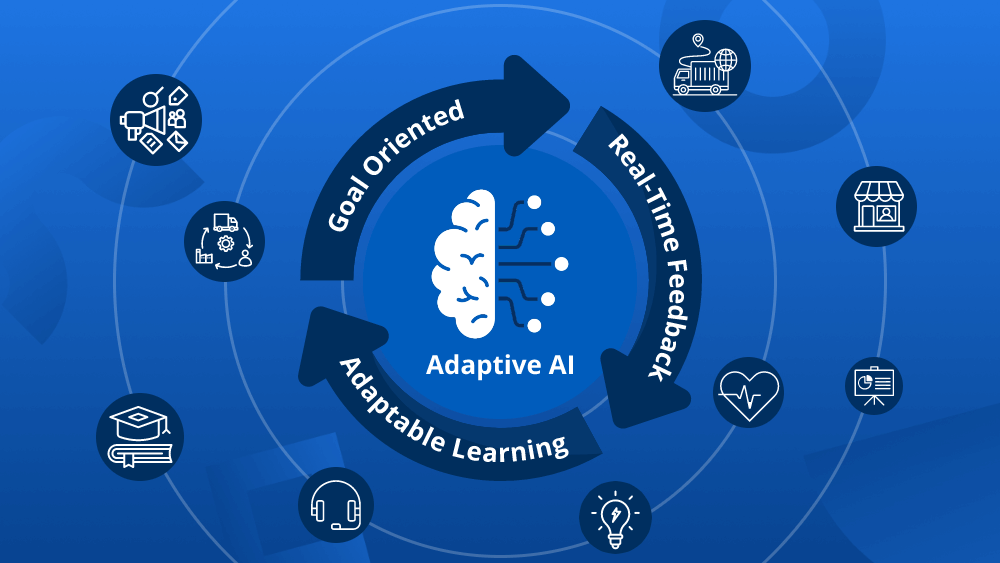
Adaptive AI, also known as Adaptive Artificial Intelligence, represents a significant leap forward in the realm of artificial intelligence. It refers to the development of AI systems that can adjust and modify their behavior based on real-time data and evolving conditions. Unlike traditional AI, which relies on fixed programming and predefined rules, adaptive AI can continuously learn and improve its performance.
Adaptive AI Development Services encompass a range of activities, including:
Machine Learning: The core of adaptive AI development, machine learning algorithms enable AI systems to learn from data and make predictions or decisions based on it.
Deep Learning: This subfield of machine learning focuses on neural networks and is particularly adept at handling unstructured data, making it crucial for applications like image and speech recognition.
Reinforcement Learning: Adaptive AI can also incorporate reinforcement learning, where AI agents learn through trial and error to optimize their decision-making processes.
Natural Language Processing (NLP): NLP allows AI to understand and generate human language, making it a vital component for chatbots, virtual assistants, and text analysis.
Continuous Monitoring and Improvement: A hallmark of adaptive AI is its ability to monitor its performance in real-time and make adjustments to enhance accuracy and effectiveness.
The Role of an Adaptive AI Development Company
Developing adaptive AI systems is a complex endeavor that requires deep expertise in machine learning, data science, and software engineering. This is where Adaptive AI Development Companies come into play. These specialized firms are dedicated to creating adaptive AI solutions tailored to the unique needs of their clients.
Here are several critical roles that an Adaptive AI Development Company plays:
Custom Solutions: Adaptive AI Development Companies work closely with their clients to understand their specific business challenges and goals. They then design custom solutions that address these needs, ensuring that the AI systems developed align with the company’s strategy.
Data Expertise: Data is the lifeblood of AI, and Adaptive AI Development Companies excel at collecting, processing, and transforming data into actionable insights. They can develop data pipelines, apply data cleansing techniques, and utilize the latest tools to prepare data for AI training.
Algorithm Development: These companies possess a deep understanding of machine learning algorithms, enabling them to select the most appropriate ones for a given project. They fine-tune these algorithms to ensure they adapt effectively to changing conditions.
Scalability: Adaptive AI Development Companies have the knowledge and infrastructure to scale AI solutions as a business grows. This scalability is crucial for companies that anticipate increased demands on their AI systems.
Real-time Monitoring and Updates: Adaptive AI systems require continuous monitoring and adjustment. Adaptive AI Development Companies provide mechanisms for real-time performance evaluation and updates to ensure that AI models remain relevant and accurate.
The Significance of Choosing the Right Adaptive AI Development Company
Selecting the right Adaptive AI Development Company is a pivotal decision for businesses looking to harness the power of adaptive AI. The following factors emphasize the importance of making a well-informed choice:
Expertise and Experience: Look for a company with a track record of successful AI projects and a team of experienced data scientists and engineers. Their expertise will play a significant role in the effectiveness of your AI solution.
Customization: Every business is unique, and your AI solution should be tailored to your specific needs. A reputable Adaptive AI Development Company will work closely with you to understand your requirements and design a solution that aligns with your goals.
Data Management: Data is at the core of AI development. Ensure that the company you choose has robust data management capabilities to collect, process, and prepare data for AI training.
Scalability and Support: As your business evolves, your AI solution should be able to keep up. Make sure the company you select has the infrastructure and support to scale your AI systems as needed.
Adaptability: Given the nature of adaptive AI, the ability to monitor, analyze, and adapt in real-time is crucial. Choose a company that provides mechanisms for continuous monitoring and updates.
In conclusion, Adaptive AI Development Services represent a cutting-edge approach to AI that can provide businesses with a competitive advantage by creating systems that learn, adapt, and improve over time. To fully leverage the potential of these services, it is imperative to choose the right Adaptive AI Development Company that possesses the necessary expertise, customization capabilities, and scalability options. By making an informed choice, businesses can unlock the transformative power of adaptive AI and stay ahead in today’s ever-changing technological landscape.
In today’s fast-paced digital world, businesses are constantly seeking innovative ways to engage with their customers and streamline their operations. One of the most promising solutions on the horizon is the use of AI chatbots. These intelligent virtual assistants have the potential to revolutionize customer support, marketing, and more. However, the key to unlocking their full potential lies in the hands of skilled AI chatbot developers.
The Rising Demand for AI Chatbots
Before delving into the world of AI chatbot development, let’s first understand why AI chatbots are becoming increasingly popular. AI chatbots are software programs powered by artificial intelligence that can engage in human-like conversations with users. They can be deployed on websites, mobile apps, or messaging platforms, making them versatile tools for businesses.
The primary reasons for the rising demand for AI chatbots include:
Enhanced Customer Support: AI chatbots are available 24/7, providing instant responses to customer queries, which can significantly improve customer support.
Efficiency: Chatbots can handle multiple conversations simultaneously, reducing the response time and freeing up human agents to focus on more complex tasks.
Cost Savings: By automating routine tasks, businesses can reduce operational costs and allocate resources more efficiently.
Data Collection: Chatbots can collect valuable user data, which can be used to personalize marketing efforts and improve products or services.
Scalability: As your business grows, AI chatbots can easily scale to handle increased user interactions without a proportional increase in costs.
The Role of AI Chatbot Developers
AI chatbots are only as good as the developers behind them. These developers play a crucial role in designing, building, and maintaining chatbots that meet the specific needs of businesses. Here’s a closer look at the responsibilities and skills of AI chatbot developers:
1. Designing Conversational Flows
AI chatbot developers create the conversational flow of the chatbot. This involves defining how the chatbot should respond to various user inputs, ensuring a seamless and user-friendly experience. It’s important to strike a balance between providing valuable information and maintaining a natural conversation.
2. Natural Language Processing (NLP)
NLP is at the heart of any effective chatbot. AI chatbot developers must be proficient in NLP to ensure that the chatbot can understand and respond to user queries in a human-like manner. This involves training the chatbot to recognize intent, entities, and sentiment in user messages.
3. Machine Learning
Machine learning is essential for chatbots to continuously improve their performance. AI chatbot developers need to implement machine learning algorithms that allow chatbots to learn from user interactions and adapt their responses over time.
4. Integration with Other Systems
Chatbots often need to integrate with other systems and databases to provide users with relevant information. Developers must have the skills to connect chatbots to various APIs and backend systems seamlessly.
5. Testing and Quality Assurance
Before deploying a chatbot, thorough testing is essential. AI chatbot developers are responsible for testing the chatbot to identify and fix any issues, ensuring it performs as expected.
6. Maintenance and Updates
The work of AI chatbot developers doesn’t end once the chatbot is live. They need to regularly maintain and update the chatbot to keep it current, accurate, and efficient.
Finding the Right AI Chatbot Development Company
When it comes to developing AI chatbots, finding the right development company is crucial. Here are some key factors to consider when choosing an AI chatbot development company:
1. Expertise
Ensure the company has a team of experienced AI chatbot developers with a strong background in NLP, machine learning, and chatbot development.
2. Customization
Look for a company that can tailor the chatbot to your specific business needs. A one-size-fits-all solution may not provide the best results.
3. Case Studies and References
Review the company’s past projects and seek references to gauge the quality of their work and client satisfaction.
4. Scalability
Choose a company that can accommodate your future growth and scale the chatbot accordingly.
5. Support and Maintenance
Ensure that the company provides ongoing support and maintenance to keep the chatbot running smoothly.
The Future of AI Chatbots
As technology continues to advance, AI chatbots are expected to become even more sophisticated. With the help of skilled AI chatbot developers, businesses can harness the power of AI to provide exceptional customer experiences, streamline operations, and gain a competitive edge in the market.
In conclusion, AI chatbot developers are the driving force behind the development and success of AI chatbots. Their expertise in designing conversational flows, implementing NLP and machine learning, and integrating with other systems is critical for creating effective chatbots. To stay ahead in the ever-evolving business landscape, it’s essential for businesses to partner with the right AI chatbot development company that has the expertise and experience to bring their chatbot vision to life. As the demand for AI chatbots continues to rise, these developers will play an increasingly important role in shaping the future of customer engagement and automation.
In today’s rapidly evolving digital landscape, businesses are increasingly turning to cutting-edge technologies to gain a competitive edge. Among these technologies, Artificial Intelligence (AI) stands out as a transformative force, and Enterprise AI Services are at the forefront of this revolution. As AI continues to redefine industries, companies are seeking the expertise of Enterprise AI Development Companies to harness the power of AI for their specific needs.
The Rise of Enterprise AI Services
Enterprise AI Services encompass a wide range of solutions designed to address the unique challenges and opportunities within the corporate world. These services offer customized AI solutions that cater to the needs of large organizations, helping them streamline operations, enhance decision-making processes, and ultimately, achieve better business outcomes.
Enterprises today are under immense pressure to adapt to the digital age. They must analyze vast amounts of data, automate tasks, and personalize customer experiences. This is where Enterprise AI comes into play, offering a comprehensive suite of services that can be tailored to meet the diverse needs of businesses across different industries.
The Role of Enterprise AI Development Companies
Enterprise AI Development Companies are the architects of this digital transformation. They are dedicated to providing businesses with the expertise and tools required to harness the full potential of AI. These companies bring together skilled data scientists, machine learning engineers, and domain experts to build AI solutions that are aligned with the specific needs and goals of their clients.
Key Services Offered by Enterprise AI Development Companies
Data Analytics: Enterprise AI Development Companies assist organizations in collecting, managing, and analyzing their data. They utilize advanced data analytics techniques to uncover valuable insights that drive better decision-making.
Machine Learning Solutions: Machine learning is a cornerstone of Enterprise AI. Development companies create tailored machine learning models to automate processes, predict outcomes, and enhance operational efficiency.
Natural Language Processing (NLP): NLP plays a crucial role in improving customer interactions and automating tasks. Enterprise AI Services can develop chatbots, sentiment analysis systems, and language translation tools to enhance customer engagement.
Computer Vision: Computer vision enables businesses to process and analyze visual data. It is especially valuable in industries like healthcare, retail, and manufacturing, where image recognition and object detection are paramount.
Robotic Process Automation (RPA): RPA is used to automate repetitive, rule-based tasks, allowing employees to focus on more complex and strategic activities. Enterprise AI Development Companies design RPA solutions to optimize workflows.
Personalization and Recommendation Engines: These services help businesses create highly personalized experiences for their customers, increasing user engagement and loyalty.
Predictive Analytics: Predictive models can forecast trends, identify opportunities, and mitigate risks. This capability is invaluable in areas such as finance, marketing, and supply chain management.
Benefits of Enterprise AI Services
The adoption of Enterprise AI Services offers several benefits that can significantly impact a company’s bottom line:
Improved Efficiency: Automation of repetitive tasks and streamlined workflows result in increased operational efficiency and reduced costs.
Enhanced Decision-Making: AI-driven insights enable data-informed decision-making, leading to more accurate and strategic choices.
Competitive Advantage: Businesses that embrace AI can outperform competitors by providing better products and services, optimizing pricing strategies, and offering superior customer experiences.
Customer Engagement: Personalization and recommendation engines enhance customer engagement, leading to increased sales and customer loyalty.
Risk Mitigation: Predictive analytics can help identify and mitigate potential risks, preventing costly errors.
Time and Resource Savings: By automating tasks and processes, AI frees up human resources to focus on more creative and value-added activities.
Scalability: AI solutions can be scaled to accommodate growth and evolving business needs.
Selecting the Right Enterprise AI Development Company
Choosing the right Enterprise AI Development Company is a critical decision for businesses looking to harness the power of AI. Here are some key factors to consider:
Expertise: Look for companies with a track record of successful AI projects and a team of experienced data scientists and engineers.
Customization: Ensure that the company can create solutions tailored to your specific needs and industry.
Scalability: Verify that the AI solutions are scalable to accommodate future growth.
Data Security and Compliance: Data privacy and security are paramount. Ensure that the company complies with relevant data protection regulations.
Cost-Effectiveness: Understand the pricing model and how it aligns with your budget and expected ROI.
Communication and Collaboration: A strong working relationship with the development company is essential. Effective communication and collaboration are keys to success.
References and Case Studies: Ask for references and case studies to evaluate the company’s past performance and client satisfaction.
The Future of Enterprise AI Services
The future of Enterprise AI Services is promising, with continued advancements on the horizon. As AI algorithms become more sophisticated, AI models more accurate, and computing power more accessible, the possibilities are endless. Enterprise AI will continue to evolve and adapt to emerging trends, such as edge computing, quantum computing, and the Internet of Things (IoT).
In conclusion, Enterprise AI Services are ushering in a new era of digital transformation for businesses of all sizes and industries. Enterprise AI Development Companies play a pivotal role in making this transformation a reality. By leveraging AI-driven solutions, businesses can enhance their efficiency, make better decisions, and gain a competitive edge in a rapidly evolving market. As AI technology continues to evolve, companies that invest in Enterprise AI Services will be best positioned to thrive in the future. So, if you’re looking to unlock the full potential of AI for your enterprise, partnering with a trusted Enterprise AI Development Company could be the key to your success.
In the rapidly evolving landscape of technology, Artificial Intelligence (AI) has emerged as a transformative force, reshaping industries, and revolutionizing how businesses operate. As AI continues to evolve, so too do the companies that specialize in its development. Among these companies, a new breed has emerged – the “Adaptive AI Development Company.” This article delves into the concept of adaptive AI development companies and their pivotal role in driving innovation and progress in the AI sector.
The Evolution of AI Development
AI development has come a long way since its inception. From rule-based systems to machine learning and deep learning, the field has seen constant innovation and improvement. Traditional AI development companies often focused on building fixed, domain-specific solutions with limited adaptability. While these solutions had their merits, they often lacked the flexibility to cope with real-world challenges and changing requirements.
As the demands for AI technology grew, there arose a need for a more dynamic and adaptive approach to AI development. This need led to the emergence of Adaptive AI Development Companies, which are equipped with the ability to create AI systems that can evolve and adapt to various situations and industries.
Defining Adaptive AI Development
An Adaptive AI Development Company is one that specializes in creating AI solutions that are not only advanced but also flexible and scalable. These companies leverage cutting-edge technologies like Reinforcement Learning, Neural Architecture Search, and AutoML to design AI systems that can continuously learn and improve from new data and experiences.
The key characteristics of an adaptive AI development company include:
Dynamic Learning: Unlike traditional AI systems, adaptive AI development focuses on creating models that can continuously adapt and improve their performance over time. This is achieved by incorporating reinforcement learning techniques, which allow AI systems to make decisions and learn from the consequences.
Customization: Adaptive AI solutions are designed to be highly customizable, enabling businesses to tailor the AI to their specific needs. This adaptability allows for AI systems to work effectively across a wide range of industries and applications.
Scalability: These companies build AI solutions that can seamlessly scale to handle increasing data loads and complexities. Whether it’s processing vast amounts of data or handling more complex tasks, adaptive AI can grow alongside your business.
Cross-Industry Expertise: Adaptive AI development companies have a deep understanding of various industries, allowing them to adapt AI solutions to the specific needs and challenges of different sectors, from healthcare to finance, and beyond.
The Applications of Adaptive AI
Adaptive AI development has wide-ranging applications across various industries:
Healthcare: In healthcare, adaptive AI can assist in diagnosing diseases, personalizing treatment plans, and predicting patient outcomes. These systems can continuously learn from new medical data and adapt to evolving medical research.
Finance: In the financial sector, adaptive AI can improve fraud detection, automate trading strategies, and enhance customer service through chatbots that get smarter over time as they interact with customers.
Manufacturing: Adaptive AI can optimize manufacturing processes, reduce downtime through predictive maintenance, and improve quality control by learning from production data.
Retail: In the retail sector, adaptive AI can provide personalized shopping recommendations, optimize inventory management, and enhance customer experiences both online and in physical stores.
The Advantages of Adaptive AI Development
The emergence of adaptive AI development companies brings several significant advantages to the table:
Improved Performance: Adaptive AI solutions constantly refine themselves, leading to improved performance, accuracy, and efficiency over time. This translates to better results for businesses and their customers.
Reduced Human Intervention: As AI becomes more adaptive, it can handle complex tasks with minimal human intervention. This frees up human resources to focus on strategic, high-value tasks.
Cost Savings: Adaptive AI can help organizations save money by automating processes, reducing errors, and optimizing resource utilization.
Competitive Edge: Businesses that embrace adaptive AI gain a competitive edge by staying at the forefront of technology and innovation in their respective industries.
Challenges and Considerations
While adaptive AI development holds great promise, there are some challenges and considerations that must be addressed:
Data Privacy and Security: As AI systems learn and adapt, they require access to data. Protecting sensitive information and ensuring data privacy is crucial.
Ethical Concerns: Ensuring AI systems make ethical decisions and avoid bias is a significant concern. Developing mechanisms to prevent discriminatory behavior is essential.
Regulatory Compliance: AI systems must adhere to legal and regulatory requirements, particularly in highly regulated industries like healthcare and finance.
Ongoing Maintenance: Adaptive AI systems require ongoing maintenance and updates to ensure they continue to learn and adapt effectively.
The Future of Adaptive AI Development
The future of AI development undoubtedly lies in adaptability and continuous learning. As technology advances and businesses increasingly embrace AI solutions, adaptive AI development companies will play a pivotal role in shaping the landscape of industries worldwide.
These companies will continue to refine their approaches, incorporating advanced techniques like self-improving algorithms, unsupervised learning, and explainable AI to build more transparent and efficient systems. The result will be AI solutions that can seamlessly integrate into any industry and continuously evolve to meet the ever-changing demands of the modern world.
In conclusion, adaptive AI development companies are at the forefront of innovation in the AI field. Their focus on creating adaptable, scalable, and customizable AI solutions empowers businesses across various sectors to leverage the power of AI effectively. With ongoing advancements in technology and a commitment to ethical and responsible AI, the future of adaptive AI development is bright, promising a world where AI truly adapts to our evolving needs and challenges.
In today’s fast-paced and data-driven business landscape, artificial intelligence (AI) has emerged as a transformative force. As organizations seek to harness the power of AI to gain a competitive edge, a new breed of service providers has risen to meet this demand – Enterprise AI Development Companies.
The AI Revolution in Business
AI is no longer a futuristic concept; it’s a present-day reality. From automating routine tasks to making complex decisions, AI has the potential to revolutionize how businesses operate. It can provide insights, enhance customer experiences, optimize operations, and improve decision-making processes. Consequently, organizations across various industries are embracing AI to unlock new opportunities.
The Need for Specialized Expertise
While the benefits of AI are clear, many businesses face a significant challenge – the lack of in-house expertise. Developing and implementing AI solutions is a complex task that requires specialized knowledge and resources. This is where Enterprise AI Development Companies come into play.
What Are Enterprise AI Development Companies?
Enterprise AI Development Companies are specialized service providers that focus on designing, developing, and implementing AI solutions tailored to the unique needs of businesses. They bring together multidisciplinary teams of data scientists, machine learning engineers, software developers, and domain experts to create AI applications that address specific business challenges.
The Services Offered
These companies offer a range of services to support organizations on their AI journey. This includes:
1. AI Strategy and Consulting
They assist businesses in defining their AI strategy, identifying use cases, and evaluating the potential ROI of AI implementations.
2. AI Model Development
They build custom AI models that can analyze data, make predictions, and automate tasks.
3. Integration and Deployment
Enterprise AI Development Companies ensure seamless integration of AI solutions into existing systems and provide ongoing support.
4. Data Management and Security
They help businesses collect, manage, and secure the data required for AI applications, ensuring compliance with data protection regulations.
5. AI Training and Education
Many also offer training and educational programs to empower organizations to understand and leverage AI effectively.
The Competitive Edge
For businesses, partnering with an Enterprise AI Development Company offers several advantages:
Expertise: These companies bring expertise that may be lacking in-house, ensuring that AI solutions are developed and implemented effectively.
Cost Efficiency: By outsourcing AI development, businesses can save on the costs associated with hiring and training an in-house team.
Faster Time-to-Market: Specialized AI development companies can expedite the deployment of AI solutions, helping organizations gain a competitive edge more quickly.
Scalability: They can scale AI solutions as a business grows, adapting to evolving needs.
As AI becomes increasingly integrated into business operations, Enterprise AI Development Companies play a pivotal role in helping organizations leverage the potential of this transformative technology. Their expertise and tailored solutions are instrumental in navigating the complex AI landscape and staying competitive in a data-driven world.
Unlocking Potential: AI Chatbot Development for Enterprises
In today’s digital age, businesses are constantly seeking innovative ways to improve customer engagement, streamline operations, and enhance their overall efficiency. One technology that has proven to be a game-changer in achieving these goals is Artificial Intelligence (AI). Within the realm of AI, chatbots have emerged as a powerful tool for enterprises looking to interact with customers in a more efficient and personalized manner.
The Rise of Chatbots
Chatbots are AI-driven software applications designed to simulate human conversation. They can be integrated into various communication channels, such as websites, messaging apps, and social media platforms. These digital assistants are well-equipped to handle a wide range of tasks, from answering frequently asked questions to providing real-time customer support.
As businesses increasingly recognize the potential of chatbots, there has been a surge in the demand for AI chatbot development companies. These specialized firms offer tailored solutions to create, deploy, and maintain chatbots that cater to the specific needs of each enterprise.
Benefits for Enterprises
1. Enhanced Customer Support
One of the primary applications of chatbots in the enterprise world is customer support. AI chatbots can provide instant responses to customer inquiries, resolve issues, and offer assistance 24/7. This not only improves the customer experience but also reduces the workload on human customer support agents, allowing them to focus on more complex tasks.
2. Increased Efficiency
AI chatbots can handle repetitive, time-consuming tasks, such as data retrieval and order processing, much faster than their human counterparts. This leads to increased operational efficiency and cost savings for businesses.
3. Personalized Interactions
Modern chatbots are equipped with Natural Language Processing (NLP) capabilities, which enable them to understand and respond to customer queries in a conversational manner. This personalization enhances the user experience and helps businesses build stronger relationships with their customers.
Services Offered by AI Chatbot Development Companies
AI chatbot development companies provide a range of services to enterprises:
1. Consultation and Strategy
They start by understanding the unique needs and goals of the business. This involves analyzing customer touchpoints, business processes, and areas where chatbots can be most beneficial.
2. Custom Development
Development companies create custom chatbot solutions tailored to the specific requirements of the enterprise. This includes designing the chatbot’s conversational flow, integrating it with existing systems, and training it to understand industry-specific terminology.
3. Deployment and Maintenance
After development, these companies assist in deploying the chatbot on the chosen platforms. They also provide ongoing maintenance and updates to ensure the chatbot remains effective and up-to-date.
AI chatbot development companies are instrumental in helping enterprises harness the power of chatbots to improve customer interactions, drive efficiency, and personalize their services. As businesses continue to adapt to the digital age, the role of chatbots in shaping the future of customer engagement cannot be underestimated.
Adaptive AI: Tailoring Solutions for Every Business
In the fast-paced world of technology and business, one size rarely fits all. Every enterprise has its unique challenges, goals, and customer bases, which demand tailored solutions. This is where Adaptive AI comes into play, offering businesses the ability to customize and fine-tune their AI systems to meet their specific needs.
The Need for Personalization
When it comes to AI, personalization is the name of the game. Businesses are constantly seeking ways to better engage with their customers, streamline operations, and make data-driven decisions. Adaptive AI allows them to do just that by providing customized solutions that align with their objectives.
Understanding Adaptive AI
Adaptive AI is not a one-size-fits-all solution. It’s an approach to AI development and deployment that takes into account the unique requirements of each business. Whether you are an e-commerce giant looking to enhance your product recommendations or a healthcare provider seeking to optimize patient care, Adaptive AI can be tailored to suit your specific needs.
Benefits of Adaptive AI
Enhanced Personalization: Adaptive AI can analyze user data to provide highly personalized experiences, from tailored product recommendations to customizing user interfaces to suit individual preferences.
Improved Decision-Making: Businesses can leverage Adaptive AI to process large volumes of data and generate insights that can drive informed decision-making, helping them stay ahead of the competition.
Efficiency and Automation: By adapting to the specific processes and workflows of an enterprise, Adaptive AI can automate routine tasks, leading to increased efficiency and reduced operational costs.
Scalability: Adaptive AI solutions are designed to grow with your business. As your needs evolve, these systems can be easily adjusted and expanded to accommodate the changes.
How Adaptive AI Works
The process of implementing Adaptive AI begins with a thorough understanding of the business’s goals, challenges, and data resources. This initial assessment allows AI developers to create a system that aligns with the enterprise’s objectives. The AI model is then trained and continuously adapted as new data becomes available.
Adaptive AI utilizes machine learning techniques like reinforcement learning, transfer learning, and deep learning to fine-tune its algorithms and models, ensuring that they remain relevant and effective.
Choosing the Right Adaptive AI Development Company
Selecting the right AI development company is crucial for the success of an Adaptive AI project. Look for a company with a proven track record in creating customized AI solutions, experience in your industry, and a commitment to ongoing support and adaptation as your business evolves.
Conclusion
Adaptive AI is revolutionizing the way businesses harness the power of artificial intelligence. By tailoring solutions to meet the unique needs of every enterprise, Adaptive AI is helping businesses stay competitive, enhance customer experiences, and make data-driven decisions with greater precision. As the demand for personalized AI solutions continues to grow, Adaptive AI development companies are poised to play a crucial role in shaping the future of business technology.
AI as a Service: Streamlining Your Enterprise
In a fast-paced business environment, adaptability and efficiency are key factors for success. To stay competitive, companies need to harness the power of artificial intelligence (AI) to enhance their operations. One increasingly popular and effective way to achieve this is by using AI as a Service (AIaaS).
The AI as a Service Model
AI as a Service, or AIaaS, is a cloud-based service model that provides businesses with access to AI tools, applications, and infrastructure on a subscription basis. This model allows companies to leverage AI capabilities without the need to invest heavily in building their own AI systems from scratch. Here are some key aspects that make AIaaS a game-changer for enterprises:
Scalability
AIaaS offers businesses the flexibility to scale their AI resources up or down based on their evolving needs. Whether your enterprise is a small startup or a large corporation, AIaaS can adapt to your requirements. This scalability is crucial as it ensures that AI resources match the growth of your business.
Cost-Efficiency
Traditionally, developing and maintaining AI solutions in-house can be cost-prohibitive. AIaaS eliminates the need for significant upfront investments in hardware, software, and expertise. Companies can pay for AI services as they use them, reducing the financial burden and making AI more accessible to a wider range of businesses.
Rapid Deployment
AIaaS providers offer pre-built AI models and tools, allowing for quick implementation. This means that businesses can start benefiting from AI solutions almost immediately, rather than waiting for extended development and deployment timelines.
Expertise on Demand
AIaaS providers have the expertise needed to maintain and update AI systems. They handle the technical intricacies, including data security, compliance, and system maintenance, allowing businesses to focus on their core operations.
Use Cases for AI as a Service
The versatility of AIaaS makes it applicable to various industries and use cases. Here are some examples of how businesses can leverage AIaaS:
Customer Support
AI-powered chatbots and virtual assistants can provide 24/7 support, answer common queries, and direct customers to the right resources, enhancing customer experiences.
Data Analysis
AIaaS can be used for data analysis, enabling companies to extract valuable insights from vast amounts of data. This is particularly beneficial for decision-making and trend analysis.
Predictive Maintenance
Manufacturing and industrial companies can use AIaaS to predict when equipment might fail, allowing for proactive maintenance and reducing downtime.
Personalization
E-commerce companies can utilize AIaaS to offer personalized product recommendations, increasing customer engagement and sales.
Conclusion
AI as a Service is revolutionizing the way enterprises implement AI solutions. It provides businesses of all sizes with cost-effective access to cutting-edge AI capabilities, empowering them to streamline operations and stay competitive in their respective markets. With its scalability, affordability, and rapid deployment, AIaaS is a strategic choice for any enterprise looking to harness the power of AI in the digital age. As businesses continue to evolve, AIaaS offers the flexibility needed to keep pace with changing requirements, making it a valuable asset in today’s technology-driven landscape.
In the rapidly evolving field of artificial intelligence, prompt engineering has emerged as a critical technique to harness the capabilities of AI models like GPT-3.5. This revolutionary approach allows us to communicate more effectively with AI systems, leading to better outcomes in a wide range of applications. In this article, we will explore the concept of prompt engineering, its significance, and its potential to shape the future of AI.
Understanding Prompt Engineering
Prompt engineering is the art of crafting specific and well-structured prompts or instructions to interact with AI models. It enables users to convey their intentions more accurately and obtain the desired results from AI systems. The process involves creating prompts that guide the model’s behavior, making it more useful and reliable.
The key to effective prompt engineering lies in the choice of words, context, and structure used to communicate with the AI. It can be as simple as formulating a question, providing context, or specifying a desired format for the response. By carefully engineering prompts, we can make AI models understand and perform tasks more effectively.
The Significance of Prompt Engineering
Prompt engineering has far-reaching implications across various domains, including natural language understanding, content generation, and problem-solving. Its significance can be best understood through its applications.
1. Content Creation
One of the most prominent uses of prompt engineering is in content generation. Content creators, marketers, and writers can utilize AI models to assist in generating articles, blog posts, or product descriptions. By crafting well-structured prompts, they can instruct AI to produce content that aligns with their brand’s tone and style, saving time and effort.
2. Data Analysis
In the world of data analysis, prompt engineering can streamline the process of extracting insights from large datasets. Analysts can create specific prompts to request data summaries, visualizations, or statistical analyses, allowing AI to assist in decision-making and problem-solving.
3. Language Translation
Prompt engineering also plays a crucial role in language translation. Users can provide context and specific requirements in their prompts to ensure more accurate translations. This is especially beneficial in technical, legal, or medical translation, where precision is paramount.
4. Education
In the field of education, prompt engineering aids in creating tailored learning materials and interactive quizzes. Educators can design prompts that guide AI models to generate practice questions, explanations, or learning resources, providing students with personalized and effective learning experiences.
5. Customer Support
AI-driven chatbots and virtual assistants rely on prompt engineering to provide efficient customer support. Companies can design prompts to ensure that AI understands and responds to customer inquiries, resolving issues and answering questions with accuracy and empathy.
The Art of Crafting Effective Prompts
Effective prompt engineering requires a combination of creativity and precision. To create prompts that yield desired outcomes, consider the following tips:
1. Be Specific
Specify your requirements clearly in the prompt. If you need a product description, provide details about the product, its features, and the tone you want. The more precise your instructions, the better the AI model can respond.
2. Use Examples
Sometimes, providing examples or templates within your prompt can guide the AI in understanding your expectations. For instance, if you need a comparison between two products, offer a sample comparison to demonstrate the format you desire.
3. Experiment and Iterate
Prompt engineering often involves trial and error. Don’t hesitate to experiment with different prompts and iterate until you achieve the desired output. AI models can learn and adapt from your feedback.
4. Test for Ambiguity
Avoid vague or ambiguous language in your prompts. Ambiguity can lead to unpredictable results. Instead, use precise wording and clarify your expectations.
5. Leverage Context
Provide context when necessary. Contextual information can help the AI model better understand your intentions and generate more relevant responses. Whether it’s about a specific topic, historical context, or any other relevant information, context matters.
The Future of Prompt Engineering
As AI models continue to advance, prompt engineering will play an increasingly vital role in shaping the future of AI interactions. It empowers users to extract maximum value from these models, making them more versatile and adaptable to a wide range of tasks and industries.
With AI becoming an integral part of our lives, prompt engineering will become a valuable skill for individuals and organizations. It will bridge the gap between human and machine, enabling more intuitive and efficient communication with AI systems.
Conclusion
Prompt engineering is not just a technique but a transformative approach that empowers individuals and businesses to make the most of AI’s capabilities. By crafting well-structured prompts, we can harness the potential of AI models like GPT-3.5 across various domains, from content creation to data analysis and customer support.
As AI models continue to evolve, prompt engineering will remain a fundamental skill that drives the future of AI interactions. By mastering this art, we can unlock the true potential of AI, making it a valuable tool for enhancing productivity and problem-solving in our increasingly AI-driven world.




 Archie Evans Business