In recent years, the healthcare industry has witnessed a profound transformation, thanks to the integration of cutting-edge technologies. Among these innovations, Generative Artificial Intelligence (AI) has emerged as a game-changer, offering new possibilities in diagnosis, treatment, and patient care. This article explores the role of Generative AI in healthcare and how it is reshaping the future of medicine.
1. Understanding Generative AI
Generative AI, a subset of artificial intelligence, encompasses a class of algorithms capable of generating data that resembles human-made content. These algorithms employ machine learning techniques such as deep neural networks to create novel, contextually relevant information. In the context of healthcare, Generative AI systems leverage medical data to generate meaningful insights, making it an invaluable tool for healthcare professionals.
2. Enhancing Medical Imaging
One of the most remarkable applications of Generative AI in healthcare is in the field of medical imaging. Generative Adversarial Networks (GANs) and Variational Autoencoders (VAEs) have demonstrated their potential to enhance the quality and interpretation of medical images. By generating high-resolution images from low-quality scans, these technologies aid radiologists and physicians in diagnosing conditions with greater precision. For instance, Generative AI can reconstruct 3D images from 2D scans, facilitating better planning for surgeries and treatment.
3. Drug Discovery and Development
Generative AI is catalyzing the drug discovery process, an area that has traditionally been expensive and time-consuming. By analyzing vast datasets of chemical structures, GenAI algorithms can generate novel compounds and predict their efficacy in treating various diseases. This approach accelerates the identification of potential drug candidates, reducing the timeline for bringing new therapies to market. Moreover, Generative AI can optimize clinical trial designs, streamlining the drug development process and making it more cost-effective.
4. Personalized Medicine
The concept of personalized medicine is at the forefront of healthcare innovation, and Generative AI plays a pivotal role in making it a reality. By analyzing a patient’s genetic makeup, medical history, and other relevant data, GenAI algorithms can generate personalized treatment plans. This tailoring of therapies ensures that patients receive the most effective and safe treatments, minimizing adverse effects and improving overall health outcomes.
5. Natural Language Processing for EHRs
Electronic Health Records (EHRs) have become an integral part of modern healthcare, but extracting actionable insights from the vast amount of text-based data within them has been challenging. Generative AI, coupled with Natural Language Processing (NLP), can analyze EHRs to identify patterns, predict disease trajectories, and even generate comprehensive patient summaries for healthcare professionals. This not only enhances clinical decision-making but also streamlines administrative tasks, allowing healthcare providers to focus more on patient care.
6. Virtual Health Assistants
Generative AI is powering the development of virtual health assistants that can interact with patients and provide medical information and advice. These virtual assistants use natural language understanding and generation to communicate with patients, answering their questions and offering guidance on managing chronic conditions, medications, and lifestyle changes. This technology improves patient engagement and helps individuals take a more active role in their health management.
7. Medical Research and Publications
Scientific research is a vital aspect of healthcare, and Generative AI is contributing to this area by generating research papers, abstracts, and summaries. This can save researchers time and provide them with insights from a broader range of studies. However, it’s essential to ensure that the generated content maintains the same level of scientific rigor and quality as human-generated research.
8. Ethical Considerations and Data Privacy
While Generative AI holds tremendous promise in healthcare, it also raises ethical concerns and challenges related to patient data privacy, bias, and accountability. Healthcare organizations must establish robust data security protocols to safeguard patient information and ensure that Generative AI models are designed and trained with fairness and transparency in mind. Regulatory frameworks and guidelines must be continually adapted to address these emerging ethical issues.
9. The Future of Generative AI in Healthcare
As Generative AI continues to evolve, its potential in healthcare seems limitless. Future applications may include predicting disease outbreaks, automating medical coding and billing, and improving the accuracy of robotic surgeries. However, to realize these possibilities fully, ongoing research and development are crucial.
10. Conclusion
Generative AI has become an indispensable tool in the healthcare industry, offering innovative solutions in diagnosis, treatment, and patient care. From enhancing medical imaging to revolutionizing drug discovery, Generative AI is reshaping the landscape of healthcare, making it more personalized, efficient, and effective. However, it is essential to navigate the ethical challenges and privacy concerns that arise in this digital transformation to ensure that the benefits of Generative AI are harnessed responsibly for the betterment of healthcare and the well-being of patients worldwide. The future of healthcare is bright, thanks to the power of Generative AI.
In the ever-evolving landscape of artificial intelligence, the rise of transformer models has been nothing short of revolutionary. These models, particularly the Action Transformer Model, have taken the AI world by storm, pushing the boundaries of what machines can understand and execute. This article delves into the essence of the Action Transformer Model, its significance, and its wide-ranging applications.
A Transformer Model Primer
Before we dive into the specifics of Action Transformer Models, let’s revisit the foundation upon which they are built – the transformer model. Developed by Vaswani et al. in 2017, the transformer architecture was a game-changer for natural language processing. It significantly outperformed previous methods and laid the groundwork for more advanced AI systems.
The transformer model is essentially a neural network architecture that processes input data in parallel, as opposed to sequentially. It relies on attention mechanisms to weigh the importance of different parts of the input data, enabling it to capture complex relationships within the data.
Enter the Action Transformer Model
The Action Transformer Model takes the transformer concept to a new level. It doesn’t merely understand and process data; it’s designed to comprehend actions. This advancement marks a pivotal moment in the development of AI systems, as it bridges the gap between language understanding and action execution.
Key Components of the Action Transformer Model
Action Embedding: At the heart of the Action Transformer Model is the action embedding. Just as a transformer model embeds words or tokens, the Action Transformer embeds actions. This embedding provides a structured representation of actions, making it easier for the model to process and understand them.
Temporal Modeling: Understanding actions often involves comprehending their temporal relationships. The Action Transformer incorporates temporal modeling, allowing it to consider the order and timing of actions, which is crucial for accurate action prediction and execution.
Attention Mechanisms: Like the original transformer, the Action Transformer relies heavily on attention mechanisms. However, here, attention is not just about words or tokens but also about actions. This enables the model to attend to relevant actions and their contexts when making predictions.
Multi-Modal Input: The Action Transformer is not limited to textual or numerical data. It can process multi-modal data, which includes text, images, and videos, making it incredibly versatile in understanding a wide array of actions.
Applications of the Action Transformer Model
The versatility of the Action Transformer Model opens up a plethora of applications across various domains. Here are some notable examples:
1. Video Analysis
The Action Transformer Model can be employed in video analysis tasks, such as action recognition and anticipation. It can understand the sequence of actions in a video, making it valuable in surveillance, sports analysis, and even entertainment.
2. Autonomous Vehicles
Self-driving cars heavily rely on understanding and predicting actions in the surrounding environment. The Action Transformer Model can play a vital role in enhancing the decision-making process of autonomous vehicles by analyzing the actions of other vehicles, pedestrians, and objects.
3. Healthcare
In healthcare, the Action Transformer can assist in monitoring and predicting patient actions, helping healthcare providers make informed decisions. It can be particularly useful for tracking patient movements and adherence to treatment plans.
4. Robotics
Robots equipped with Action Transformer Models can better understand and execute human commands. This has implications in manufacturing, logistics, and even domestic settings where robots perform various tasks.
5. Natural Language Understanding
The Action Transformer Model can be integrated into chatbots and virtual assistants, allowing them to not only understand user requests but also anticipate and execute actions accordingly. This takes conversational AI to a new level of utility.
Challenges and Future Directions
Despite the tremendous potential of Action Transformer Models, there are challenges to address. One significant challenge is the need for large-scale, labeled action datasets for training. Additionally, handling long and complex sequences of actions can be computationally intensive.
Looking ahead, researchers are exploring ways to make Action Transformers more efficient and scalable. This includes optimizing architecture, pre-training strategies, and fine-tuning techniques. The integration of reinforcement learning to enhance action execution is another exciting avenue of research.
Conclusion
The Action Transformer Model represents a quantum leap in AI understanding and execution. Its ability to comprehend and predict actions across various domains promises to reshape industries and push the boundaries of what AI can achieve. From video analysis to healthcare and robotics, the applications are limitless.
As the field of artificial intelligence continues to evolve, Action Transformer Models will undoubtedly play a pivotal role in advancing our capabilities to understand and interact with the world around us. While challenges remain, the potential for this technology is nothing short of groundbreaking, promising a future where machines truly understand and respond to human actions.
AI in Anomaly Detection: Transforming Business Security and Efficiency
In today’s data-driven world, anomalies can be either a harbinger of new opportunities or a sign of impending threats. Detecting and addressing anomalies, whether in financial transactions, network activities, or other domains, is critical for maintaining the security and efficiency of business operations. With the advent of Artificial Intelligence (AI), anomaly detection has undergone a profound transformation. This article explores the role of AI in anomaly detection, its applications, and the benefits it offers to businesses.
Introduction
Anomaly detection, also known as outlier detection, is the process of identifying patterns in data that do not conform to expected behavior. These anomalies can take various forms, from irregular financial transactions to network intrusions, equipment malfunctions, or unusual customer behaviors. Traditional methods of anomaly detection often relied on rule-based systems, statistical analysis, or basic machine learning techniques. While these methods have been effective to some extent, they often struggled with the complexity and variability of modern data.
AI, particularly in the form of machine learning and deep learning, has emerged as a powerful tool for anomaly detection. Its ability to learn from data, adapt to changing patterns, and recognize subtle deviations makes it an ideal candidate for tackling the challenges of anomaly detection in the 21st century.
The Role of AI in Anomaly Detection
1. Machine Learning Algorithms
AI systems for anomaly detection leverage various machine learning algorithms, such as Support Vector Machines (SVM), k-Nearest Neighbors (k-NN), and clustering methods. These algorithms can automatically identify anomalies in datasets without relying on predefined rules. They can recognize complex patterns and outliers that might go unnoticed by traditional systems.
2. Deep Learning and Neural Networks
Deep learning, a subset of machine learning, has gained prominence in anomaly detection. Deep neural networks, especially Convolutional Neural Networks (CNNs) and Recurrent Neural Networks (RNNs), excel in detecting anomalies in image, video, and time-series data. They can learn hierarchical features and capture temporal dependencies, making them highly effective in diverse applications.
3. Unsupervised Learning
Unsupervised learning methods are particularly useful for anomaly detection because they do not require labeled data. One-class SVM, autoencoders, and Gaussian Mixture Models (GMM) are unsupervised algorithms that can identify anomalies by learning the normal patterns in the data and flagging anything that deviates from these norms.
4. Transfer Learning
Transfer learning is another AI technique that enhances anomaly detection. Models pre-trained on vast datasets for specific tasks can be fine-tuned for anomaly detection in specific domains. This approach leverages the knowledge acquired from broader datasets to improve anomaly detection in narrower contexts.
Applications of AI in Anomaly Detection
1. Fraud Detection in Financial Transactions
AI-driven anomaly detection has significantly improved fraud detection in the financial industry. Machine learning models can analyze millions of transactions in real-time, identifying irregularities in spending patterns, withdrawal locations, and more, thus mitigating financial fraud.
2. Cybersecurity
In the realm of cybersecurity, AI is employed to identify anomalous network behavior. It can detect unusual data traffic, patterns of access, or other signs of potential cyber threats, allowing organizations to respond swiftly to protect their data and systems.
3. Manufacturing Quality Control
Manufacturers use AI to enhance quality control. Anomaly detection algorithms can spot defects in products, machinery malfunctions, or deviations from standard production processes, reducing waste and ensuring product quality.
4. Healthcare
In healthcare, AI is used to identify anomalies in patient data, aiding in the early detection of diseases. Machine learning models can flag unusual symptoms, vital signs, or lab results, facilitating timely intervention and treatment.
Benefits of AI in Anomaly Detection
AI-powered anomaly detection brings several advantages to businesses:
1. Improved Accuracy and Sensitivity
AI algorithms can detect anomalies with a high degree of accuracy and sensitivity. They can identify subtle deviations that human analysts might miss, reducing false positives and negatives.
2. Real-time Detection
AI enables real-time anomaly detection, allowing businesses to respond swiftly to emerging threats or opportunities. This is especially crucial in cybersecurity and financial fraud prevention.
3. Reduced Workload
AI automates the detection process, reducing the workload on human analysts. This not only saves time but also allows experts to focus on more complex and strategic tasks.
4. Adaptability
AI models can adapt to changing data patterns. As businesses evolve, AI can learn and recognize new anomalies, ensuring ongoing security and efficiency.
Conclusion
AI has revolutionized the field of anomaly detection, offering businesses powerful tools to safeguard their operations and optimize their processes. The ability to detect anomalies accurately and in real-time is vital in an era of constant data flow and evolving threats. From fraud detection in financial transactions to quality control in manufacturing and healthcare, the applications of AI in anomaly detection are vast and impactful. As businesses continue to leverage AI technologies, the future holds even more promise for enhancing security and efficiency through anomaly detection.
AI in Fashion: Revolutionizing Personalized Recommendations
In today’s rapidly evolving fashion landscape, consumers are inundated with a seemingly endless array of choices. From clothing and accessories to footwear and cosmetics, the fashion industry offers a multitude of options, making it both exciting and overwhelming for shoppers. To cut through the noise and deliver a tailored shopping experience, the fashion industry has turned to artificial intelligence (AI) to revolutionize personalized recommendations.
The Power of Personalization
The concept of personalization in fashion is not new. Retailers have long strived to understand their customers’ preferences and offer products that align with individual tastes. However, traditional methods of personalization often relied on limited data and simplistic algorithms, resulting in less accurate and less effective recommendations. Enter AI, which has disrupted the fashion industry by harnessing the power of big data and advanced machine learning techniques to create a more personalized and engaging shopping experience.
Data-driven Insights
AI-driven personalized recommendations in the fashion industry begin with data. Retailers collect a wealth of data on customer behaviors, including browsing history, purchase history, and even social media interactions. This data forms the foundation for AI algorithms to analyze and draw insights from. These insights help in understanding customer preferences, style choices, and even the latest fashion trends.
Machine Learning Algorithms
The heart of AI-based fashion recommendation systems lies in machine learning algorithms. These algorithms process vast amounts of data to identify patterns, correlations, and trends. For instance, they can recognize that a customer who frequently purchases formal wear is unlikely to be interested in casual clothing, or that someone who follows certain fashion influencers on social media may prefer trendy and up-to-date styles. Machine learning continually refines its recommendations as it gathers more data, making it increasingly accurate over time.
Fashion Industry Applications
AI-powered personalized recommendations are reshaping various aspects of the fashion industry, from e-commerce platforms to brick-and-mortar stores. Here are some of the key applications:
1. E-commerce Websites
Online shopping platforms utilize AI to provide product recommendations based on a customer’s browsing and purchase history. These recommendations appear as “You may also like” or “Recommended for you” sections, enticing customers to explore and purchase complementary items.
2. Virtual Fitting Rooms
AI-driven virtual fitting rooms enable customers to virtually try on clothing and accessories. By analyzing a customer’s body measurements and style preferences, these systems suggest the most suitable items, reducing the chances of returns due to size or style mismatches.
3. Personalized Styling Services
Some fashion brands and retailers offer personalized styling services powered by AI. Customers answer a few style-related questions, and AI algorithms create complete outfits or suggest coordinating items that match the customer’s taste.
4. Inventory Management
AI is also used in the backend of fashion retail, helping retailers manage their inventory more effectively. Predictive analytics and demand forecasting algorithms ensure that popular items remain in stock while minimizing overstock of less popular products.
Benefits of AI in Fashion Personalization
The integration of AI in fashion personalization offers several benefits to both retailers and customers:
1. Enhanced Customer Experience
AI-powered recommendations make shopping more enjoyable and convenient. Customers feel like they are receiving a tailored experience, which fosters loyalty and repeat business.
2. Increased Sales
By suggesting products that align with a customer’s style and preferences, retailers can boost their sales and conversion rates. Customers are more likely to make a purchase when they see products that resonate with their tastes.
3. Reduced Returns
Virtual fitting rooms and accurate style recommendations can significantly reduce the rate of returns, which is a common challenge in online fashion retail. This helps retailers save on return processing costs and improves sustainability by reducing unnecessary shipping.
4. Data-Driven Insights
AI systems generate valuable insights from customer data, enabling retailers to make informed decisions about inventory, marketing strategies, and product development. This data-driven approach allows for agility in responding to changing market trends.
Challenges and Considerations
While AI in fashion personalization offers tremendous advantages, there are several challenges and considerations to keep in mind:
1. Data Privacy
Collecting and analyzing customer data for personalized recommendations raises privacy concerns. Retailers must be transparent about their data practices and ensure data security and compliance with regulations.
2. Algorithmic Bias
AI algorithms can inadvertently introduce bias if not carefully designed and monitored. Ensuring fairness and impartiality in recommendations is essential.
3. Customer Acceptance
Not all customers may be comfortable with AI-driven personalization. Some may prefer a more traditional shopping experience. Retailers should offer options for customers to opt in or out of personalized recommendations.
4. Continuous Learning
AI systems require ongoing maintenance and updates to remain effective. Retailers must invest in resources to ensure that their AI systems adapt to evolving customer preferences.
The Future of Fashion Personalization
The future of AI in fashion personalization holds great promise. As technology continues to advance, we can expect even more sophisticated recommendation systems that consider a broader range of data points, such as real-time fashion trends, weather, and personal events. AI will play a pivotal role in making fashion retail more efficient, enjoyable, and sustainable.
AI in Private Equity and Principal Investment: A Data-Driven Approach
Private equity and principal investment have long been domains that rely on meticulous data analysis, risk assessment, and investment decision-making. Traditionally, these processes have been time-consuming and heavily dependent on human expertise. However, the advent of artificial intelligence (AI) is changing the landscape. AI is enabling a data-driven approach that enhances the efficiency and effectiveness of private equity and principal investment strategies. In this article, we will explore how AI is transforming these industries, highlighting the use cases, benefits, and challenges associated with its adoption.
The Role of AI in Private Equity and Principal Investment
AI has become a game-changer in private equity and principal investment by offering advanced data analytics and automation tools that augment decision-making processes. Let’s delve into the key roles of AI in these sectors:
1. Data Analysis and Processing
One of the fundamental strengths of AI is its ability to process and analyze vast amounts of data at a speed that would be impossible for humans to match. Private equity and principal investment involve analyzing financial data, market trends, and economic indicators. AI can swiftly sift through these data sources, identify patterns, and generate insights.
2. Risk Assessment and Due Diligence
AI-driven algorithms can assess investment risks more comprehensively and quickly than manual methods. They can incorporate a wider range of data sources, including unstructured data from news articles, social media, and financial reports, to assess potential risks and opportunities. This is particularly valuable in situations where rapid decisions are essential.
3. Portfolio Management
AI can assist in optimizing portfolio management by suggesting changes to the allocation of assets based on market conditions, historical data, and future predictions. This leads to a more balanced and potentially profitable portfolio.
4. Deal Sourcing and Screening
AI can automate the process of deal sourcing by scouring various databases for potential investments. Machine learning models can be trained to screen and rank potential investments according to predefined criteria, streamlining the due diligence process.
5. Performance Monitoring
AI is invaluable for continuous performance monitoring. Real-time data feeds and AI-powered analytics tools can help investors keep a close eye on the performance of their investments, enabling them to react promptly to any significant changes or issues.
Benefits of AI Adoption in Private Equity and Principal Investment
The integration of AI in private equity and principal investment brings several significant advantages:
1. Enhanced Decision-Making
AI’s data-driven insights can help investors make more informed decisions, reducing the element of uncertainty and subjectivity.
2. Speed and Efficiency
AI automates many time-consuming processes, speeding up tasks such as data analysis and portfolio management. This can be crucial in fast-moving financial markets.
3. Risk Mitigation
Advanced AI algorithms can identify potential risks and vulnerabilities in investments, enabling investors to make proactive decisions to mitigate these risks.
4. Cost Reduction
Automation and efficiency improvements brought by AI can significantly reduce operational costs, making investment processes more cost-effective.
5. Improved Investment Performance
AI-driven portfolio management and real-time performance monitoring can lead to better investment performance.
Use Cases of AI in Private Equity and Principal Investment
To understand how AI is being practically applied in these industries, let’s look at some compelling use cases:
1. Predictive Analytics
AI can analyze historical data to make predictions about future market trends. This is especially valuable for anticipating market fluctuations and investment opportunities.
2. Deal Screening
Machine learning models can screen potential deals based on criteria such as financial health, industry trends, and risk levels. This streamlines the process of identifying the most promising investment opportunities.
3. Due Diligence Automation
AI can automate due diligence processes by extracting and analyzing data from various documents, contracts, and reports. This accelerates the assessment of potential investments.
4. Algorithmic Trading
In principal investment, AI is used in algorithmic trading strategies that respond to market data and execute trades in real-time. These strategies aim to capitalize on price fluctuations.
5. Portfolio Optimization
AI-driven portfolio optimization models constantly analyze market data and recommend adjustments to achieve the desired risk-return balance.
Challenges in Implementing AI in Private Equity and Principal Investment
While the potential benefits of AI in private equity and principal investment are significant, there are challenges to overcome:
1. Data Privacy and Security
The handling of sensitive financial data requires strict adherence to data privacy and security regulations. AI systems must be robust in protecting against breaches and data leaks.
2. Lack of Historical Data
Some AI models rely on historical data for training. In the case of emerging or niche markets, obtaining sufficient historical data can be a challenge.
3. Regulatory Compliance
Financial industries are highly regulated, and AI models must comply with these regulations. Ensuring that AI-driven decisions meet regulatory requirements is crucial.
4. Explainability and Transparency
AI models can be complex and challenging to interpret. Investors may have difficulty understanding the basis for AI-driven recommendations, which can pose a trust issue.
The Future of AI in Private Equity and Principal Investment
The adoption of AI in private equity and principal investment is expected to increase. As AI technologies continue to evolve, they will become even more integral to investment strategies. Here are some future trends to watch for:
1. AI-Driven ESG Investments
AI can help identify and manage investments based on environmental, social, and governance (ESG) criteria, aligning investments with ethical and sustainable principles.
2. Integration of NLP and AI
Natural Language Processing (NLP) combined with AI will allow investors to extract insights from textual data such as news articles and social media, providing a more comprehensive view of market sentiment.
3. Blockchain and AI Synergy
The combination of blockchain technology and AI can enhance transparency and security in investment processes, reducing fraud and improving trust.
4. AI for Regulatory Compliance
AI can be utilized to ensure that investment strategies and decisions comply with evolving financial regulations, reducing the risk of legal issues.
Conclusion
AI’s data-driven approach is revolutionizing private equity and principal investment. Its ability to process vast amounts of data, assess risks, and provide actionable insights is invaluable in these industries. While challenges exist, the benefits of AI adoption are undeniable. As AI technologies continue to advance, they will play an increasingly crucial role in shaping the future of private equity and principal investment strategies. Embracing AI is not just a choice but a necessity for those who aim to stay competitive and make data-informed investment decisions in today’s fast-paced financial world.
AI in Trade Promotion Optimization: Boosting Sales and ROI
In the fast-paced world of business, trade promotions play a vital role in boosting sales, increasing market share, and building brand awareness. However, managing trade promotions effectively has always been a complex and challenging task. Enter Artificial Intelligence (AI), a game-changer that is revolutionizing trade promotion optimization by providing data-driven insights and strategies. In this article, we will explore the role of AI in trade promotion optimization, its impact on sales and Return on Investment (ROI), and the various ways in which businesses can harness this technology to gain a competitive edge.
The Complexity of Trade Promotion Optimization
Trade promotions encompass a wide range of strategies, including discounts, rebates, bundling, and various incentives to encourage retailers and distributors to promote and sell a particular product. While these promotions are designed to increase sales, they often come with a significant financial cost. Inefficient or poorly executed trade promotions can erode profitability and damage brand value. Therefore, optimizing trade promotions is essential for businesses, especially in the consumer goods industry.
Traditionally, trade promotion optimization relied heavily on historical data, intuition, and educated guesses. This approach often led to suboptimal results, with promotions failing to achieve their desired objectives. Moreover, the sheer volume of data involved and the number of variables to consider made it extremely challenging for humans to make precise decisions.
The AI Advantage in Trade Promotion Optimization
AI has emerged as a powerful tool for transforming trade promotion optimization. It leverages machine learning algorithms to analyze vast datasets and generate insights that are beyond the capabilities of human analysts. Here are some key ways in which AI is reshaping the landscape:
Data-Driven Decision Making
AI systems can process and analyze large datasets in real-time, taking into account historical sales data, weather patterns, market trends, competitor actions, and even social media sentiment. This data-driven approach allows businesses to make well-informed decisions regarding the timing, duration, and type of promotions to run.
Predictive Analytics
AI can predict the impact of different promotion strategies on sales and profitability. By considering various factors, AI models can forecast how different promotions will perform and suggest the optimal mix of promotions to maximize ROI.
Personalization
AI can analyze customer data to deliver personalized promotions. It takes into account individual preferences, purchase history, and browsing behavior to create tailored offers that resonate with each customer, thus driving sales and enhancing the customer experience.
Real-time Adjustments
AI-powered systems can make real-time adjustments to trade promotions based on changing market conditions. For instance, if a competitor suddenly launches a major discount campaign, AI can recommend counter-strategies to stay competitive.
Inventory Management
AI can help optimize inventory levels during promotions. By predicting demand accurately, businesses can avoid overstocking or understocking, reducing carrying costs and ensuring products are available when customers want them.
Successful Implementation of AI in Trade Promotion Optimization
While the potential benefits of AI in trade promotion optimization are significant, successful implementation requires careful planning and execution. Here are some steps to consider:
Data Integration
Integrate AI systems with existing data sources, including Point of Sale (POS) data, supply chain information, and external market data. A robust data infrastructure is crucial for AI to provide accurate insights.
Clear Objectives
Define clear and measurable objectives for trade promotion optimization. Are you looking to increase sales, improve ROI, or enhance customer loyalty? AI strategies should align with these objectives.
Collaboration
Foster collaboration between the data science team, marketing team, and the sales team. Cross-functional collaboration is essential to ensure that AI-driven strategies are well-aligned with business goals.
Continuous Learning
AI models improve over time with more data and feedback. Ensure that your AI systems are continually learning and adapting to changing market dynamics.
Monitoring and Adjusting
Regularly monitor the performance of AI-driven trade promotions and be prepared to make adjustments based on real-world results. AI can suggest changes, but human oversight is essential for fine-tuning strategies.
Real-World Examples of AI in Trade Promotion Optimization
Several companies across industries have successfully implemented AI in trade promotion optimization. Let’s take a look at a few real-world examples:
Procter & Gamble (P&G)
P&G, a consumer goods giant, used AI to optimize its trade promotions. By analyzing historical sales data and market conditions, P&G reduced the number of underperforming promotions and increased sales significantly.
Anheuser-Busch InBev
The brewing company Anheuser-Busch InBev leveraged AI to enhance its promotional strategies. By predicting consumer demand accurately, they reduced overstocking and understocking issues and improved inventory management during promotions.
PepsiCo
PepsiCo employed AI to create personalized promotions for their snack and beverage products. By tailoring offers to individual consumer preferences, they experienced a notable boost in sales and customer satisfaction.
Challenges and Ethical Considerations
While the benefits of AI in trade promotion optimization are evident, there are challenges and ethical considerations to keep in mind. These include data privacy concerns, the potential for biased algorithms, and the need for transparency in AI-driven decisions. It’s essential for businesses to address these issues to build trust with customers and regulators.
The Future of AI in Trade Promotion Optimization
AI’s role in trade promotion optimization is only set to expand. As AI technology continues to evolve, businesses will have access to more advanced tools for predicting consumer behavior, automating decision-making processes, and personalizing promotions. Additionally, AI’s ability to analyze unstructured data, such as customer reviews and social media sentiment, will provide even more insights for trade promotion optimization.
Conclusion
AI is transforming trade promotion optimization by enabling data-driven decision-making, predictive analytics, personalization, and real-time adjustments. With the power of AI, businesses can make their trade promotions more effective, driving sales and maximizing ROI. However, successful implementation requires data integration, clear objectives, collaboration, continuous learning, and ongoing monitoring.
As AI technology continues to advance, we can expect even more sophisticated tools for trade promotion optimization. The key to success in this evolving landscape is the ability to adapt, learn, and use AI as a strategic advantage. In the competitive world of trade promotions, AI is the secret weapon that can take businesses to the next level of success.
AI in Business Process Automation: Streamlining Operations
In today’s fast-paced business world, efficiency is key to success. Companies are constantly seeking ways to optimize their operations, reduce costs, and improve the overall customer experience. One technology that has been making significant strides in this regard is Artificial Intelligence (AI). In this article, we’ll explore how AI is transforming business process automation, streamlining operations, and driving competitive advantage.
The Evolution of Business Process Automation
Before we dive into the role of AI in business process automation, it’s essential to understand the evolution of this field. Business process automation (BPA) has been an integral part of organizations for many years. Initially, it involved the use of basic software tools and workflow management systems to automate repetitive tasks, such as data entry, document routing, and simple decision-making processes.
As technology advanced, BPA evolved into more sophisticated solutions, including Enterprise Resource Planning (ERP) systems and Customer Relationship Management (CRM) software. These systems streamlined various business functions but still relied heavily on predefined rules and human input.
The Rise of AI in BPA
Artificial Intelligence, specifically Machine Learning (ML) and Natural Language Processing (NLP), has introduced a new era in business process automation. AI-driven BPA solutions have the capability to learn and adapt, making them highly flexible and effective. Let’s examine some key areas where AI is making a significant impact:
1. Automated Data Entry and Processing
Traditional data entry is not only time-consuming but also prone to errors. AI-powered Optical Character Recognition (OCR) technology can accurately extract data from various documents, such as invoices, receipts, and forms, with minimal human intervention. This not only saves time but also ensures data accuracy.
2. Predictive Analytics for Demand Forecasting
AI algorithms can analyze historical data and market trends to predict future demand for products and services. This allows businesses to optimize inventory management, reduce overstock, and ensure products are readily available when customers need them.
3. Dynamic Workflow Management
AI can adapt workflows in real-time based on changing circumstances. For example, in a customer service scenario, AI can route inquiries to the most appropriate agent or even automate responses for routine queries, thereby ensuring quicker resolutions and improved customer satisfaction.
4. Advanced Decision Support
AI systems can process large datasets and provide recommendations for decision-making. For instance, in financial services, AI can assess credit risk by analyzing a customer’s financial history, enabling more accurate lending decisions.
5. Customer Support Chatbots
Chatbots powered by AI and NLP are revolutionizing customer support. They can understand natural language queries and provide relevant responses, resolving common issues 24/7. This not only enhances the customer experience but also reduces the workload on human support agents.
Case Studies: Real-World Implementations
To better illustrate the impact of AI in business process automation, let’s explore some real-world case studies:
Case Study 1: Supply Chain Optimization
A global logistics company implemented AI-powered supply chain automation to optimize the movement of goods. AI algorithms predicted delays, identified the most efficient routes, and even anticipated maintenance requirements for their fleet. This not only reduced operational costs but also improved delivery times and customer satisfaction.
Case Study 2: Financial Services
A leading bank integrated AI into their loan approval process. By analyzing customer data and credit histories, AI algorithms could make instant decisions on loan approvals, significantly reducing the time it took for customers to get access to funds.
Case Study 3: E-commerce
An e-commerce giant used AI to enhance its product recommendations. By analyzing user behavior and purchase history, the platform’s AI-driven recommendation engine improved cross-selling and upselling, ultimately increasing revenue and customer engagement.
Challenges and Considerations
While AI-driven BPA offers numerous advantages, it also comes with its own set of challenges and considerations:
Data Quality and Security
The accuracy of AI algorithms depends on the quality of data they are trained on. Ensuring data quality and security is crucial to the success of AI-driven BPA.
Integration with Existing Systems
Integrating AI solutions with legacy systems can be complex and may require significant IT resources. It’s essential to plan for seamless integration.
Ethical and Legal Concerns
AI decision-making can raise ethical and legal questions, especially in sensitive areas like hiring and lending. Companies must navigate these issues carefully.
Continuous Monitoring and Maintenance
AI models need ongoing monitoring and updates to remain effective. Neglecting this can lead to performance degradation and errors.
The Future of Business Process Automation
As AI technology continues to evolve, the future of business process automation looks promising. AI-driven BPA is expected to become more accessible to businesses of all sizes. In addition, AI will increasingly collaborate with other emerging technologies such as the Internet of Things (IoT) and blockchain to create even more powerful automation solutions.
Conclusion
AI in business process automation is more than a buzzword; it’s a transformative force that is reshaping the way organizations operate. By automating tasks, providing data-driven insights, and enhancing customer interactions, AI is streamlining operations and driving businesses toward greater efficiency and profitability. As we look to the future, embracing AI in BPA is not just a competitive advantage but a necessity for staying relevant in the ever-evolving business landscape.
AI in Customer Complaint Management: Enhancing Customer Experience
In an era where customer satisfaction and loyalty are paramount, businesses are turning to artificial intelligence (AI) to streamline their complaint management processes. AI-powered systems are proving to be a game-changer, enabling companies to handle complaints more efficiently and enhance the overall customer experience. This article delves into the various facets of AI in customer complaint management and how it’s reshaping the way businesses address grievances.
Understanding the Challenges of Traditional Complaint Management
Before we dive into how AI is transforming complaint management, it’s crucial to understand the challenges that traditional approaches present. These challenges include:
1. Overwhelming Volume
A high volume of customer complaints, especially in the digital age, can overwhelm traditional complaint management systems. Sorting through emails, messages, and calls manually is time-consuming and error-prone.
2. Delayed Responses
The traditional process often leads to delayed responses, leaving customers frustrated and dissatisfied. The speed at which complaints are addressed plays a crucial role in retaining customer loyalty.
3. Inconsistent Quality
Human agents can have variations in response quality, leading to inconsistencies in resolving similar complaints. Maintaining consistent service standards can be challenging.
4. Resource Intensity
Traditional complaint management often requires a significant allocation of human resources. This can lead to high operational costs and a strain on manpower.
The Role of AI in Complaint Management
Artificial intelligence is revolutionizing the way businesses handle customer complaints. It offers a range of solutions that address the challenges of traditional complaint management effectively.
1. Automated Ticket Routing
AI-driven systems can categorize and route complaints to the most appropriate agents, ensuring that each issue is handled by the right person. This minimizes response times and improves the customer experience.
2. Sentiment Analysis
AI can analyze the sentiment of customer complaints to prioritize and flag those with the most significant impact on customer satisfaction. This enables businesses to address critical issues promptly.
3. Quick Resolution
With AI, businesses can provide faster resolutions to complaints. By automating routine tasks and suggesting solutions based on historical data, customer issues can be resolved more efficiently.
4. 24/7 Availability
AI-powered chatbots and virtual assistants are available round the clock, ensuring that customer complaints are attended to at any time, even outside regular business hours.
Benefits of AI in Complaint Management
The integration of AI in complaint management brings several benefits to both businesses and customers:
1. Enhanced Customer Experience
By resolving complaints more quickly and accurately, businesses improve customer satisfaction and loyalty. Happy customers are more likely to become repeat buyers and brand advocates.
2. Cost-Efficiency
AI-driven complaint management reduces the need for a large customer support team, leading to cost savings. It allows businesses to allocate resources more strategically.
3. Real-Time Insights
AI systems generate valuable insights from customer complaints, helping businesses identify recurring issues, trends, and areas for improvement in their products or services.
4. Consistency in Responses
AI ensures consistent quality in responses, reducing the risk of human error. Every customer is provided with the same level of service quality.
Use Cases of AI in Complaint Management
AI is being employed across various industries to manage customer complaints more effectively. Here are a few notable use cases:
1. E-commerce
E-commerce giants are using AI chatbots to handle customer complaints about orders, deliveries, and product issues. These chatbots provide instant responses and quick resolutions.
2. Telecom
Telecom companies use AI to analyze customer complaints to improve network performance, identify service issues, and enhance customer service.
3. Healthcare
Hospitals and healthcare providers utilize AI systems to manage patient complaints, ensuring prompt responses and compliance with regulatory requirements.
4. Airlines
Airlines deploy AI-powered systems to manage passenger complaints about flight delays, cancellations, and lost baggage. This improves customer satisfaction and loyalty.
The Future of AI in Complaint Management
As AI technology continues to advance, we can expect even more significant transformations in complaint management. Some future developments may include:
1. Personalized Responses
AI systems will become more adept at personalizing responses to each customer, making interactions feel more individualized.
2. Proactive Issue Resolution
AI will be able to detect potential complaints before they are officially registered and take proactive steps to prevent customer dissatisfaction.
3. Multilingual Support
AI-powered systems will offer multilingual support, making it easier for businesses to serve a global customer base.
4. Integration with Other Systems
AI complaint management will seamlessly integrate with CRM systems, allowing for a more comprehensive view of each customer and their history with the company.
Conclusion
In conclusion, AI is a game-changer in customer complaint management, offering businesses the ability to handle grievances more efficiently and enhance the customer experience. By automating processes, providing quick resolutions, and ensuring consistent service quality, AI is revolutionizing the way companies interact with their customers. As AI technology continues to advance, the future holds even more promising developments in this domain, benefiting both businesses and their valued customers. Embracing AI in complaint management is not just a choice but a necessity in today’s competitive business landscape.
AI for Pricing Engines: Optimizing Pricing Strategies
In the dynamic and ever-evolving landscape of business, pricing strategies play a pivotal role in determining a company’s success. The age-old practice of setting static prices is quickly being replaced by a more agile and data-driven approach, thanks to the integration of artificial intelligence (AI) into pricing engines. In this article, we will explore how AI is revolutionizing the way businesses set and adjust prices, driving profitability and customer satisfaction to new heights.
The Traditional Pricing Conundrum
In the traditional approach to pricing, companies often relied on fixed pricing models. Prices were typically determined based on factors such as production costs, competitors’ pricing, and a company’s desired profit margin. While this method provided a structured framework for pricing, it lacked the adaptability to respond to real-time market conditions and customer behaviors.
The Rise of AI-Powered Pricing Engines
AI-powered pricing engines have emerged as a game-changer in the pricing landscape. These engines leverage machine learning algorithms and data analytics to optimize prices in a dynamic and responsive manner. Let’s delve into some key ways in which AI is reshaping pricing strategies:
1. Real-time Market Analysis
One of the primary advantages of AI-driven pricing engines is their ability to perform real-time market analysis. These systems can continuously monitor market trends, competitors’ pricing, and customer behavior. With this information, they can make adjustments to pricing strategies on the fly, ensuring that prices remain competitive and profitable.
2. Demand Forecasting
AI can predict future demand patterns by analyzing historical sales data and external factors such as seasonality, economic indicators, and even weather conditions. By anticipating shifts in demand, businesses can adjust prices proactively to maximize revenue during peak periods and stimulate demand during slow times.
3. Dynamic Pricing
Dynamic pricing, often referred to as “surge pricing” in the context of ride-sharing apps like Uber, is a technique where prices change in real-time based on demand and supply. AI pricing engines use this strategy effectively to optimize pricing for various products and services, ensuring that customers are willing to pay more when demand is high.
4. Personalized Pricing
Personalization is a key driver of customer satisfaction. AI pricing engines can analyze customer data to tailor pricing for individual customers. For example, e-commerce sites can offer special discounts to frequent shoppers or those who have abandoned their carts. This level of personalization increases the likelihood of conversion and brand loyalty.
5. Competitive Analysis
AI can monitor competitors’ pricing strategies and provide recommendations on how to position a company’s prices in relation to the competition. This ensures that prices are both competitive and profitable, and that a company maintains its market share.
6. A/B Testing
AI pricing engines can run A/B tests on different pricing strategies to determine which approach is most effective. This data-driven approach allows businesses to experiment with pricing without risking significant financial losses.
Successful Implementation of AI-Powered Pricing
While the potential benefits of AI-powered pricing engines are clear, their successful implementation requires careful planning and execution. Here are some essential steps for businesses looking to integrate AI into their pricing strategies:
1. Data Collection and Integration
To leverage AI for pricing, a business must gather and integrate vast amounts of data. This data includes historical sales data, customer behavior, external market data, and more. The integration of these data sources is a complex but necessary step in making AI-driven pricing effective.
2. Algorithm Selection
Choosing the right machine learning algorithms is crucial. Different algorithms are suited for different pricing strategies. Some AI pricing engines use reinforcement learning, while others rely on neural networks or regression models. The choice depends on the specific needs of the business.
3. Continuous Learning
AI pricing engines must continuously learn from new data and adjust their pricing models accordingly. This requires ongoing monitoring and adjustments to ensure that the AI system remains effective over time.
4. Ethical Considerations
Pricing is not just about profit; it also has ethical implications. Businesses need to consider fairness and transparency in their pricing strategies when implementing AI. Discriminatory pricing or practices that harm customers can lead to backlash and legal issues.
5. Human Oversight
While AI can optimize pricing, human oversight remains essential. Humans can provide the context that AI may lack and make strategic decisions that align with the company’s long-term goals.
Real-world Success Stories
Several companies have already achieved significant success by integrating AI into their pricing strategies:
Amazon
Amazon dynamically adjusts its prices millions of times per day using AI algorithms. It factors in competitor prices, demand, inventory levels, and other variables to offer competitive pricing while maximizing profit.
Airlines
Airlines have been using dynamic pricing for years. AI helps them optimize seat prices based on factors such as the time of booking, route popularity, and upcoming holidays. This strategy helps them achieve higher revenue per flight.
E-commerce
E-commerce platforms like eBay and Walmart use AI to offer personalized discounts and pricing for their customers. By analyzing shopping habits and preferences, these platforms tailor prices to individual shoppers, increasing the likelihood of making a sale.
The Future of AI in Pricing
As AI continues to evolve, the future of pricing strategies looks promising. Here are some developments to watch for in the coming years:
1. Increased Adoption
More businesses, across various industries, are likely to adopt AI-powered pricing engines. The benefits of higher profitability and customer satisfaction are compelling incentives.
2. Improved Personalization
AI will become even better at personalizing prices for individual customers. This level of personalization will create more loyal and satisfied customers.
3. Enhanced Ethics and Transparency
There will be an increased focus on ensuring that AI-driven pricing remains ethical and transparent. Regulators and customers will demand fairness in pricing strategies.
4. Integration with IoT
The Internet of Things (IoT) will play a role in pricing as well. Devices connected to the internet will provide real-time data that can influence pricing decisions. For example, smart refrigerators may communicate with grocery stores to adjust prices based on inventory levels.
5. AI for Smaller Businesses
As AI technology becomes more accessible and cost-effective, smaller businesses will also be able to take advantage of AI-powered pricing engines.
Conclusion
AI-powered pricing engines are changing the pricing landscape in profound ways. These systems provide businesses with a dynamic, data-driven approach to pricing that maximizes profitability and customer satisfaction. As AI technology continues to advance, we can expect even more innovative pricing strategies that adapt to real-time market conditions and individual customer preferences. Businesses that embrace AI for pricing will be better positioned to thrive in an increasingly competitive marketplace.
In the fast-paced world of finance, Private Equity (PE) has always been at the forefront of innovation. It’s an industry where precision and insight can make the difference between success and failure, and Artificial Intelligence (AI) has emerged as a game-changer. AI for Private Equity is a dynamic combination that promises to reshape the landscape of investment, offering greater efficiency, enhanced decision-making capabilities, and new opportunities for growth. This article explores how AI is revolutionizing the private equity sector, the key applications, and potential challenges.
Understanding Private Equity
Before diving into the realm of AI and its impact on private equity, let’s grasp the fundamentals of private equity.
Private Equity involves investing in private companies with the goal of nurturing their growth, improving operational efficiency, and ultimately, achieving a profitable exit. These investments often come from a variety of sources, including institutional investors, high-net-worth individuals, and venture capitalists. The life cycle of a private equity investment can range from several years to over a decade, making it a long-term commitment.
The core stages of a private equity deal include:
Sourcing: Identifying investment opportunities.
Due Diligence: Evaluating the potential investment in-depth.
Investment: Providing capital to the target company.
Value Creation: Actively managing the company to enhance its performance.
Exit: Selling the investment, often with a significant return on investment.
The Rise of AI in Private Equity
AI is not a newcomer to the financial industry. Its ability to process vast amounts of data, identify patterns, and make predictions has already transformed various financial services, including asset management and risk assessment. However, private equity has been somewhat slower to adopt AI compared to other areas like hedge funds. The reasons for this hesitance include the traditionally secretive nature of the industry and a reluctance to embrace radical change.
Nonetheless, in recent years, private equity firms have recognized the potential AI holds. They are increasingly incorporating AI into their operations, and the results are compelling.
Key Applications of AI in Private Equity
Deal Sourcing and Screening: AI can quickly scan and assess a vast amount of data to identify potential investment opportunities. This includes analyzing news articles, financial reports, social media, and other unstructured data sources. By automating this process, private equity firms can cast a wider net and potentially discover hidden gems.
Due Diligence: Conducting thorough due diligence is essential in private equity. AI can assist in this phase by automating document review and analysis. It can read and extract valuable information from contracts, financial statements, and legal documents more efficiently than humans.
Predictive Analytics: Private equity firms rely on predictive analytics to forecast the future performance of portfolio companies. AI models can analyze historical data, market trends, and a wide range of variables to make accurate predictions, helping investors make informed decisions.
Portfolio Management: AI is used to monitor and manage the performance of portfolio companies in real-time. It can provide insights into areas that need improvement and help formulate strategies to enhance returns.
Exit Strategy: Identifying the right time to exit an investment is critical. AI can help private equity firms evaluate market conditions and assess when to divest for maximum returns.
Case Studies
Several private equity firms have already integrated AI into their operations with remarkable success. For instance, The Carlyle Group, one of the world’s largest and most successful private equity firms, has invested in AI-driven companies and implemented AI tools to improve their investment process. They have leveraged AI for deal sourcing, due diligence, and portfolio management, resulting in greater efficiency and better decision-making.
Challenges and Concerns
While AI brings a wealth of benefits to private equity, it is not without challenges and concerns.
Data Privacy and Security: With the increasing use of AI, the security of sensitive financial data is a paramount concern. Private equity firms must ensure robust data protection measures to safeguard their investments and the companies they engage with.
Ethical Considerations: The use of AI in private equity also raises ethical questions. The potential for AI to make biased decisions or engage in unethical practices requires careful monitoring and regulation.
Implementation Costs: Integrating AI into existing processes can be costly, especially for smaller private equity firms. They need to weigh the investment against the potential benefits carefully.
Human Expertise: While AI can process data and make predictions, it still lacks the nuanced understanding and creativity that experienced professionals bring to private equity. Human expertise remains invaluable in making final investment decisions.
The Future of AI in Private Equity
The future of AI in private equity is undeniably promising. As technology continues to advance, AI will become more sophisticated, offering even more accurate insights and predictive capabilities. Private equity firms that embrace AI are likely to stay competitive and adapt to a changing investment landscape.
Some trends to watch for include:
Increased Automation: Routine tasks will increasingly be automated, allowing professionals to focus on high-level strategic decisions.
AI-Driven Investment Strategies: AI will play a more prominent role in shaping investment strategies and making buy/sell recommendations.
Enhanced Due Diligence: AI will continue to streamline due diligence processes, making them faster and more reliable.
Better Risk Management: AI will improve risk assessment and management, reducing the likelihood of investment losses.
Improved Reporting: Enhanced reporting and insights will make it easier for investors to track the performance of their portfolio companies.
Conclusion
AI is transforming private equity by enhancing the investment process at every stage, from deal sourcing to exit strategies. As private equity firms continue to integrate AI into their operations, we can expect the industry to become more efficient, data-driven, and competitive. However, it’s essential to address the challenges and ethical concerns associated with AI in private equity to ensure responsible and successful adoption.
The future of private equity lies in the hands of those who embrace AI as a powerful tool for identifying opportunities, managing investments, and ultimately, achieving substantial returns. As technology evolves and AI capabilities expand, private equity is set to enter a new era of innovation and growth, where data and insights are the keys to success.
In today’s rapidly evolving business landscape, enterprises are continually seeking ways to stay ahead of the competition and deliver unparalleled value to their customers. One of the most promising avenues for achieving this is through Enterprise AI Development. This transformative technology is not merely a buzzword but a strategic imperative that has the potential to revolutionize how businesses operate, innovate, and meet customer needs. In this article, we will explore the key components of Enterprise AI Development and how it empowers organizations to thrive in a data-driven world.
Understanding Enterprise AI Development
Artificial Intelligence (AI) refers to the ability of machines to simulate human intelligence, enabling them to learn, reason, and make decisions. In the context of enterprises, AI development involves creating and deploying AI-driven solutions to automate processes, analyze vast datasets, and provide insights that guide decision-making. This is where Enterprise AI Development comes into play, focusing on the application of AI technologies to meet the unique needs and challenges of a business.
Machine Learning, a subset of AI, plays a pivotal role in Enterprise AI Development. It involves training algorithms to recognize patterns in data and make predictions or decisions based on that data. Enterprises can leverage machine learning to enhance customer experiences, optimize operations, and gain competitive advantages.
Benefits of Enterprise AI Development
The adoption of Enterprise AI Development offers a multitude of benefits, driving organizations to harness its power:
1. Enhanced Decision-Making: AI-driven systems can process vast amounts of data in real-time, enabling businesses to make data-driven decisions promptly. This agility in decision-making can be a game-changer in competitive markets.
2. Process Automation: Mundane, repetitive tasks can be automated, freeing up human resources to focus on more complex and value-added activities. This not only increases efficiency but also reduces operational costs.
3. Improved Customer Experiences: AI can be used to personalize interactions with customers, providing tailored recommendations and solutions. This leads to increased customer satisfaction and loyalty.
4. Predictive Analytics: Machine learning models can predict future trends, identify potential issues, and suggest preventive measures, helping businesses stay ahead of the curve.
5. Cost Savings: By streamlining operations, reducing errors, and optimizing resource allocation, Enterprise AI Development can result in significant cost savings.
6. Scalability: AI systems can easily scale with business growth, making them adaptable to changing demands.
Challenges in Enterprise AI Development
While the potential of Enterprise AI is immense, it is not without its challenges:
1. Data Quality: The success of AI development relies heavily on the quality and quantity of data. Enterprises must ensure they have access to relevant, clean, and sufficient data.
2. Data Security: Managing sensitive data is a critical concern. Ensuring data privacy and security is paramount, especially in highly regulated industries.
3. Talent Shortage: There is a shortage of AI and machine learning experts. Finding and retaining skilled professionals can be a challenge for many enterprises.
4. Integration: Integrating AI systems into existing workflows and technologies can be complex and time-consuming.
5. Ethical Considerations: The ethical implications of AI, including bias and transparency, are important factors that organizations need to address.
Key Components of Enterprise AI Development
Enterprise AI Development involves several crucial components:
1. Data Strategy: Developing a robust data strategy is the foundation of successful AI initiatives. This involves data collection, cleaning, storage, and access.
2. Machine Learning Models: Building and training machine learning models is at the heart of AI development. The choice of algorithms and the quality of training data play a significant role in the model’s effectiveness.
3. Deployment: Implementing AI models into real-world applications is a critical step. This requires a seamless integration with existing systems and workflows.
4. Monitoring and Maintenance: AI systems need continuous monitoring to ensure they perform as expected. Regular updates and maintenance are essential to keep the models up to date.
5. Ethics and Governance: Ethical considerations, including fairness, transparency, and accountability, must be woven into the AI development process.
Real-World Applications of Enterprise AI
Enterprise AI Development has already demonstrated its potential across various industries. Here are a few notable examples:
1. Healthcare: AI is used for disease diagnosis, drug discovery, and patient management, enhancing the efficiency and accuracy of medical services.
2. Financial Services: AI-driven chatbots and algorithms are being used for fraud detection, risk assessment, and personalized financial advice.
3. Retail: AI is employed for inventory management, demand forecasting, and personalized shopping recommendations, improving customer experiences and supply chain efficiency.
4. Manufacturing: AI-driven predictive maintenance helps reduce downtime and optimize production processes.
5. Customer Service: AI-powered chatbots and virtual assistants are increasingly handling customer inquiries and support requests.
The Road Ahead
Enterprise AI Development is not a one-time project but an ongoing journey. Organizations must be prepared to adapt, learn, and evolve as AI technology advances and market dynamics change. To thrive in the age of data, businesses need to invest in the development of AI strategies that align with their goals, ethics, and customer expectations.
As we move forward, the collaboration between humans and AI will be crucial. AI will handle repetitive tasks, data analysis, and predictions, while humans will focus on creativity, innovation, and complex decision-making. The combination of human ingenuity and AI’s computational power will shape the future of enterprise.
In conclusion, Enterprise AI Development is not a luxury but a necessity for organizations aiming to stay competitive and innovative. It offers a multitude of benefits, including enhanced decision-making, process automation, improved customer experiences, predictive analytics, cost savings, and scalability. While challenges exist, they can be overcome with the right strategies and expertise. By embracing AI and making it an integral part of their operations, enterprises can unlock new opportunities and lead the way in an increasingly data-driven world.
In today’s rapidly evolving tech landscape, the integration of artificial intelligence (AI) in software development has emerged as a transformative force. AI has not only streamlined traditional software development processes but has also paved the way for innovative solutions. AI software development companies play a pivotal role in harnessing the potential of AI, reshaping the industry, and meeting the demands of an ever-advancing digital world.
AI in Software Development: A Paradigm Shift
The traditional software development process is inherently labor-intensive and time-consuming. Developing, testing, and deploying software applications can be a complex and resource-draining endeavor. AI has the potential to revolutionize this landscape by automating and enhancing various aspects of software development. From coding and debugging to predicting system failures and optimizing code, AI is the catalyst for a paradigm shift.
AI-Driven Software Development Companies: Leading the Charge
AI software development companies are at the forefront of this transformation. They specialize in leveraging AI tools and techniques to improve software development processes, reduce development time, enhance code quality, and make software systems more robust. These companies employ data-driven methodologies, machine learning algorithms, and natural language processing to create a synergy between human developers and AI, resulting in highly efficient development pipelines.
The Key Roles of AI in Software Development
Automated Code Generation: One of the most groundbreaking applications of AI in software development is the automatic generation of code. AI systems can analyze user requirements and generate code snippets, making development faster and less error-prone. Companies like OpenAI’s GPT-3 have demonstrated the power of AI in this domain.
Bug Detection and Resolution: AI-driven tools are capable of identifying bugs and vulnerabilities in the codebase, significantly reducing the time and effort required for debugging. These systems can pinpoint potential issues and even suggest fixes.
Optimizing Performance: AI can analyze software performance and suggest optimizations. By continuously monitoring the software, it can help developers identify and rectify bottlenecks, enhancing the overall user experience.
Natural Language Processing (NLP): NLP algorithms are used to understand and process user queries, facilitating chatbots and virtual assistants in software applications. These AI-powered interfaces enhance user interactions and engagement.
Predictive Analytics: AI can predict potential system failures and address them before they cause disruptions. This proactive approach to maintenance ensures that software applications run smoothly, minimizing downtime.
The Advantages of Partnering with AI Software Development Companies
Speed and Efficiency: AI software development companies can accelerate development cycles, ensuring that products reach the market faster.
Cost Reduction: By automating time-consuming tasks, AI reduces the need for extensive manual labor, leading to cost savings.
Quality Assurance: AI-driven tools enhance code quality and reduce the occurrence of bugs, resulting in more reliable software.
Continuous Improvement: AI helps in monitoring and optimizing software performance, ensuring that it evolves and improves over time.
Scalability: AI enables the development of scalable solutions that can grow with the demands of the user base.
Case Studies: Leading AI Software Development Companies
OpenAI: Known for its AI language model GPT-3, OpenAI has ventured into code generation with GPT-3-based solutions that write code based on natural language descriptions.
Google: Google has integrated AI into its software development with initiatives like AutoML, enabling developers to build machine learning models with minimal coding experience.
Microsoft: Microsoft’s Azure DevOps leverages AI to automate various aspects of software development, including code deployment, testing, and monitoring.
IBM: IBM’s Watson AI has been utilized in software development for creating AI-driven applications, chatbots, and automating testing procedures.
Amazon: Amazon’s AWS offers AI services for developers, such as Amazon SageMaker, which simplifies the development and deployment of machine learning models.
Challenges and Considerations
While AI software development companies hold immense promise, they also face challenges. Ethical concerns, security issues, and the need for data privacy are important considerations when implementing AI in software development. Companies must strike a balance between leveraging AI’s capabilities and adhering to ethical standards and legal regulations.
The Road Ahead: Embracing AI in Software Development
AI software development companies are pioneers in reshaping the software development landscape. Their ability to harness AI’s potential has led to faster development cycles, higher quality software, and more scalable solutions. As AI continues to evolve, we can expect even more innovative and disruptive applications in the field of software development.
In conclusion, AI in software development is not just a trend; it’s a transformation. The collaborative efforts of human developers and AI-driven tools offered by these software development companies are making software development faster, more efficient, and more reliable. As we move forward into this AI-powered era, these companies are sure to play an integral role in shaping the future of software development.
In an age where the telecommunications industry constantly evolves to meet the ever-increasing demands of a connected world, the role of generative AI cannot be overstated. As a cutting-edge technology, generative AI has emerged as a powerful force for innovation, efficiency, and customer satisfaction within the telecommunications sector. This article explores the pivotal role of generative AI in revolutionizing the industry.
1. Enhancing Network Management
Telecommunications providers face the monumental task of managing vast and complex networks. Generative AI comes to the rescue by providing advanced predictive analytics and automation. Machine learning algorithms can analyze network data in real-time, identifying patterns, anomalies, and potential issues. This allows for proactive maintenance, optimizing network performance and minimizing downtime. In addition, generative AI can generate network topologies and configurations, simplifying the deployment and management of networks.
2. Predictive Maintenance
One of the key challenges in the telecommunications industry is the maintenance of critical infrastructure. Generative AI can predict equipment failures before they occur. By analyzing historical data and sensor inputs, AI algorithms can identify signs of wear and tear, suggesting when maintenance is required. This proactive approach reduces downtime and extends the lifespan of costly equipment, resulting in significant cost savings for telecommunications providers.
3. Personalized Customer Experiences
Generative AI enables telecommunications companies to deliver personalized services to their customers. By analyzing user data and behavior, AI can create tailored recommendations for content, service plans, and promotions. This not only improves customer satisfaction but also boosts revenue through increased upselling and cross-selling opportunities.
4. Virtual Assistants and Chatbots
AI-powered virtual assistants and chatbots are becoming integral in customer support and service. These tools can handle routine customer inquiries, troubleshooting, and even sales inquiries. Generative AI, through natural language processing and understanding, can provide human-like interactions that enhance customer engagement and reduce the load on customer support teams. This results in faster response times and improved customer service.
5. Network Security
As cyber threats become increasingly sophisticated, telecommunications providers must fortify their networks against a growing range of attacks. Generative AI can help by continuously monitoring network traffic for anomalies and potential threats. It can also generate security protocols and strategies to counter new and evolving threats, thus providing a more robust defense against cyberattacks.
6. Optimizing Resource Allocation
Resource allocation is a critical aspect of telecommunications operations. Generative AI can analyze demand patterns and predict traffic fluctuations, allowing companies to allocate resources more efficiently. This reduces overprovisioning, lowers operational costs, and ensures a smoother user experience during peak usage times.
7. Capacity Planning and Spectrum Management
The allocation and management of spectrum is of paramount importance in telecommunications. Generative AI can assist in optimizing spectrum allocation by analyzing usage patterns and predicting future demand. By doing so, providers can better allocate frequencies, improving network performance and reducing interference.
8. Network Design and Expansion
Generative AI is also instrumental in network design and expansion. It can analyze geographic data, population trends, and user behavior to recommend optimal locations for new cell towers, base stations, or other infrastructure. This results in more cost-effective expansion and improved coverage.
9. Content Creation and Recommendation
AI-driven content generation is emerging as a game-changer in telecommunications. Generative AI can create content such as advertisements, articles, and promotional materials, saving time and resources. Furthermore, it can recommend content to users based on their preferences, resulting in increased user engagement and content consumption.
10. Regulatory Compliance
Telecommunications is heavily regulated, and compliance is a non-negotiable aspect of operations. Generative AI can assist in ensuring compliance by continuously monitoring industry regulations, generating reports, and suggesting necessary changes in policies and procedures. This reduces the risk of regulatory fines and legal challenges.
In conclusion, the role of generative AI in telecommunications is transformational. It improves network management, enhances customer experiences, strengthens security, optimizes resource allocation, and assists in various critical aspects of the industry. With generative AI at the helm, telecommunications providers can not only meet the current demands of a connected world but also prepare for the challenges of tomorrow. As the industry continues to evolve, the integration of generative AI will remain essential for innovation and competitiveness. Telecommunications companies that harness the power of AI are poised to lead the way in this digital era, providing customers with better services and experiences.
In today’s hyperconnected world, managing customer complaints effectively is essential for businesses aiming to thrive. With the advent of Artificial Intelligence (AI), complaint management has taken on a whole new dimension, enhancing efficiency, responsiveness, and customer satisfaction. This article explores the use cases of AI in complaint management, highlighting its profound impact on businesses and the customer experience.
1. Automating Initial Response
One of the primary use cases of AI in complaint management is automating the initial response to customer complaints. AI-powered chatbots and virtual assistants are capable of swiftly acknowledging complaints, ensuring customers that their concerns are being addressed. These bots can also categorize complaints based on their severity and direct them to the appropriate department, streamlining the resolution process.
2. Personalized Customer Interaction
AI-driven complaint management systems can analyze customer data and previous interactions to provide personalized responses. By understanding a customer’s history and preferences, AI can craft tailored responses and solutions, enhancing the overall customer experience. This personalization not only increases customer satisfaction but also fosters brand loyalty.
3. Predictive Analytics
Predictive analytics is a powerful tool that AI brings to complaint management. By analyzing historical data, AI systems can forecast potential issues and complaints, enabling proactive measures to prevent them. This predictive capability not only helps reduce the number of complaints but also enhances overall operational efficiency.
4. Real-time Sentiment Analysis
AI tools can perform real-time sentiment analysis on customer interactions. This allows businesses to gauge the emotional tone of a complaint and respond accordingly. For example, if a customer’s frustration is detected, the system can prioritize their complaint and direct it to a senior customer service agent for immediate resolution.
5. Complaint Resolution Recommendations
AI-powered systems can suggest resolution strategies to customer service agents based on historical data and successful past resolutions. This ensures that agents have access to a repository of effective solutions, improving their efficiency in addressing complaints and reducing the resolution time.
6. Improved Multichannel Support
Customers today communicate through various channels, including email, chat, social media, and phone calls. AI can unify these channels into a single platform, allowing complaints to be seamlessly tracked and addressed across different mediums. This streamlines the complaint management process and ensures that no customer concern falls through the cracks.
7. Quality Assurance and Compliance Monitoring
AI can be employed to monitor and assess the quality of customer service interactions. It can identify compliance issues, such as agents failing to follow company policies, and ensure that responses align with established guidelines. This is particularly beneficial for regulated industries where compliance is critical.
8. Reduced Response Time
AI-driven complaint management systems excel in reducing response times. By automating tasks and prioritizing complaints, businesses can ensure that customers receive timely responses and resolutions. This improved responsiveness is essential in the age of instant gratification, where customers expect quick solutions to their problems.
9. Continuous Learning and Improvement
AI systems have the capacity to learn and adapt over time. As they process more complaints and interactions, they become more proficient at understanding customer needs and resolving issues. This continuous learning ensures that the complaint management process becomes more effective and efficient over time.
10. Cost Savings
Efficient complaint management is not only about enhancing customer satisfaction but also about saving costs. By automating routine tasks and optimizing complaint handling processes, businesses can reduce the resources required for managing complaints while maintaining or even improving customer satisfaction levels.
11. Root Cause Analysis
AI can conduct root cause analysis of complaints, identifying underlying issues that lead to recurrent customer concerns. This information is invaluable for businesses looking to make structural improvements in their products, services, or internal processes to prevent future complaints.
12. 24/7 Availability
AI-powered complaint management systems are available 24/7, ensuring that customers can report issues and seek resolutions at any time. This around-the-clock availability is especially valuable for global businesses catering to customers in different time zones.
13. Customer Feedback Analysis
AI can analyze customer feedback from various sources, including surveys, social media, and reviews. This feedback analysis can provide valuable insights into customer perceptions, helping businesses refine their complaint management processes and address systemic issues.
Conclusion
In the modern business landscape, effective complaint management is not a choice but a necessity. AI, with its transformative capabilities, has become an indispensable tool in this regard. From automating initial responses to offering personalized solutions, predictive analytics, and real-time sentiment analysis, AI has revolutionized the way businesses handle complaints. Its benefits extend beyond just satisfying customers, encompassing cost savings, process optimization, and valuable insights for continuous improvement.
As businesses continue to adopt AI in complaint management, the focus will shift from merely resolving complaints to preventing them altogether. With the power of AI, businesses can proactively address customer concerns, deliver exceptional service, and build stronger relationships with their valued customers. Embracing AI is not just a technological upgrade; it’s a commitment to delivering exceptional customer experiences and staying ahead in today’s competitive market.
Private equity has long been a bastion of financial prowess, where seasoned investors seek to unlock hidden value in companies. In this age of technological innovation, artificial intelligence (AI) has emerged as a powerful tool for enhancing the decision-making process in the private equity sector. From deal sourcing and due diligence to portfolio management and exit strategies, AI is fundamentally reshaping the landscape of this industry. This article explores the multifaceted role of AI in private equity and its potential to revolutionize the way investments are made and managed.
1. Enhanced Deal Sourcing
One of the primary functions of private equity firms is to identify investment opportunities. AI has become an invaluable ally in this phase by scanning vast datasets to uncover potential targets. Machine learning algorithms can analyze historical financial data, market trends, and news articles to identify companies with strong growth potential or distressed assets ripe for turnaround. This automated process not only saves time but also minimizes human bias, making the investment selection process more objective and data-driven.
2. Data-Driven Due Diligence
Due diligence is a crucial phase in private equity, where investors assess the potential risks and rewards of a target company. AI systems can perform comprehensive due diligence by analyzing a company’s financials, legal documents, and industry benchmarks. Natural language processing (NLP) algorithms can extract insights from contracts and agreements, while sentiment analysis can gauge public perception and brand sentiment. This data-driven approach provides a more comprehensive and accurate understanding of the target company’s health and prospects.
3. Portfolio Management
Once an investment is made, private equity firms need to actively manage their portfolio of companies. AI offers tools for monitoring and optimizing these assets. Predictive analytics can forecast future performance, allowing firms to proactively address issues and make strategic decisions. AI can also automate routine tasks, such as data entry and reporting, freeing up professionals to focus on higher-value activities. Additionally, machine learning can help in identifying cross-selling opportunities and synergies among portfolio companies.
4. Risk Assessment and Mitigation
Risk management is at the core of private equity. AI excels in assessing and mitigating various types of risk. Machine learning models can analyze market volatility, industry-specific risks, and geopolitical factors, providing real-time insights to guide investment decisions. Additionally, AI can identify emerging risks within a portfolio and suggest strategies to mitigate them. This data-driven risk assessment enables private equity firms to make more informed choices and adapt to changing market conditions.
5. Exit Strategies and Valuation
Exiting an investment is often the most critical phase in private equity. AI can help in determining the optimal exit strategy by analyzing market conditions, competitive landscapes, and potential buyers. It can also assist in accurately valuing a company by considering a wide range of factors, such as cash flow, growth projections, and market multiples. These AI-driven insights can lead to more profitable exit strategies and maximize returns on investments.
6. Regulatory Compliance
Private equity is a highly regulated industry, with complex rules and reporting requirements. AI can assist in ensuring compliance by automating the monitoring of regulatory changes and streamlining reporting processes. By continuously scanning and analyzing regulatory updates, AI can help private equity firms stay ahead of compliance requirements and reduce the risk of regulatory violations.
7. Enhanced Decision-Making
In the end, private equity firms are only as successful as their decision-making process. AI augments this process by providing data-driven insights and predictive models that support strategic decisions. By reducing human bias and incorporating vast amounts of data, AI empowers professionals to make more informed and rational choices, leading to better investment outcomes.
Challenges and Considerations
While AI offers immense promise in the private equity sector, it’s not without its challenges. The adoption of AI requires a significant investment in technology and talent. Private equity professionals must also be willing to adapt their practices and workflows to incorporate AI-driven insights. Additionally, privacy and data security concerns must be addressed when dealing with sensitive financial and operational data.
Moreover, the regulatory environment for AI in private equity is still evolving, and firms must navigate potential legal and ethical implications. Ensuring that AI models are transparent and accountable is critical, especially when making investment decisions that impact stakeholders and the broader economy.
Conclusion
The role of AI in private equity is expanding rapidly, transforming the industry by enhancing deal sourcing, due diligence, portfolio management, risk assessment, exit strategies, and decision-making processes. Private equity firms that embrace AI have the potential to gain a competitive edge, make more informed investment decisions, and better manage their portfolios. However, adopting AI technologies also requires addressing various challenges, from initial investments in technology to regulatory compliance and data privacy. As the private equity landscape continues to evolve, AI will remain a pivotal tool for success in this dynamic field.
In the era of digital transformation, businesses are constantly seeking innovative ways to enhance customer engagement, streamline operations, and boost productivity. One technology that has gained significant traction in recent years is Artificial Intelligence (AI) chatbots. These intelligent virtual assistants are revolutionizing customer support, marketing, and more. If you’re considering incorporating AI chatbots into your business strategy, it’s crucial to understand the significance of hiring AI chatbot developers who possess the expertise to craft solutions tailored to your specific needs.
Why AI Chatbots?
Before we delve into the hiring process for AI chatbot developers, let’s explore the numerous benefits of employing AI chatbots for your business. AI chatbots are software applications powered by machine learning and natural language processing algorithms, allowing them to understand and respond to user inquiries in a human-like manner. Here are some of the key advantages of AI chatbots:
1. Improved Customer Service:
AI chatbots are available 24/7, providing instant responses to customer queries. This enhances customer satisfaction and allows businesses to serve their clients around the clock.
2. Cost Efficiency:
By automating routine customer interactions, businesses can reduce labor costs and allocate human resources to more complex tasks, ultimately saving money.
3. Enhanced Productivity:
AI chatbots can handle multiple customer inquiries simultaneously, which significantly boosts efficiency and helps companies handle high volumes of requests without increasing staff numbers.
4. Personalized User Experiences:
AI chatbots can analyze customer data and offer personalized product recommendations, content, and services, thereby improving user engagement and conversion rates.
5. Data Insights:
AI chatbots can collect valuable data about customer preferences and behaviors, enabling businesses to make data-driven decisions and tailor their strategies accordingly.
6. Scalability:
AI chatbots can easily scale to handle growing workloads, ensuring your business can adapt to changing demands.
Hire AI Chatbot Developers: Where to Begin?
To harness the full potential of AI chatbots, you need to invest in a team of skilled AI chatbot developers. The process of hiring AI chatbot developers can be daunting, but the following steps will help you navigate this journey effectively:
1. Define Your Objectives and Requirements:
Before diving into the recruitment process, it’s crucial to outline your project’s objectives and requirements. Determine the specific tasks and functions you want your AI chatbot to perform. This will provide clarity when discussing your project with potential developers and help you identify the right skill set.
2. Assess Technical Expertise:
When hiring AI chatbot developers, it’s essential to evaluate their technical skills. Look for candidates with experience in machine learning, natural language processing, and AI frameworks like TensorFlow, PyTorch, or Dialogflow. An ideal candidate should also be proficient in programming languages such as Python or JavaScript.
3. Review Past Projects:
Examine the developer’s portfolio and previous AI chatbot projects. This will give you an idea of their work quality, creativity, and ability to solve real-world problems. A developer with a strong track record of delivering successful chatbot solutions is more likely to meet your expectations.
4. Communication and Language Skills:
Effective communication is key to a successful development process. Your developer should be able to understand your vision and goals, as well as communicate technical details clearly. Since your chatbot is likely to interact with users using natural language, language proficiency is crucial.
5. Collaborative and Problem-Solving Abilities:
Your AI chatbot developer should be a team player with strong problem-solving skills. Developing AI chatbots often involves overcoming complex challenges, and a developer who can work collaboratively to find solutions is invaluable.
6. Test Their Coding Skills:
During the interview process, conduct technical tests to assess the developer’s coding skills. This will help you gauge their problem-solving abilities, attention to detail, and proficiency in the relevant programming languages.
7. Cultural Fit:
Don’t overlook the importance of cultural fit. Your AI chatbot developers should align with your company’s values and work ethic, ensuring a smooth collaboration.
8. Consider Outsourcing:
If your business lacks in-house AI expertise, consider outsourcing your chatbot development to a reputable AI chatbot development company. These firms often have a pool of experienced developers and the necessary resources to bring your project to life.
AI Chatbot Development Services: Your Gateway to Success
To simplify the hiring process and ensure access to the best AI chatbot developers, many businesses are turning to AI chatbot development services. These services offer a range of benefits:
1. Expertise: AI chatbot development services have a team of experienced professionals who specialize in creating chatbot solutions tailored to your business needs.
2. Cost Savings: By outsourcing your development needs, you can often reduce costs associated with hiring, training, and providing infrastructure for in-house developers.
3. Faster Time-to-Market: AI chatbot development services can accelerate your project’s development, ensuring a faster time-to-market and a competitive edge.
4. Ongoing Support: These services often provide ongoing maintenance and support for your chatbot, ensuring that it continues to perform optimally.
Conclusion
As AI chatbots become increasingly integral to modern business operations, the demand for skilled AI chatbot developers continues to rise. To harness the power of AI chatbots and unlock their full potential, it’s essential to hire developers who possess the right blend of technical skills, problem-solving abilities, and communication prowess.
By defining your project requirements, assessing technical expertise, and considering factors such as cultural fit and collaboration, you can build a strong foundation for your AI chatbot development team. Alternatively, you can explore the convenience of AI chatbot development services, which offer a one-stop solution to your chatbot needs.
Remember, the right AI chatbot developer or service can be the key to transforming your business operations, enhancing customer experiences, and achieving a competitive edge in today’s fast-paced digital landscape. So, whether you choose to hire in-house developers or outsource to a development service, make this decision a strategic one for your business’s future success.

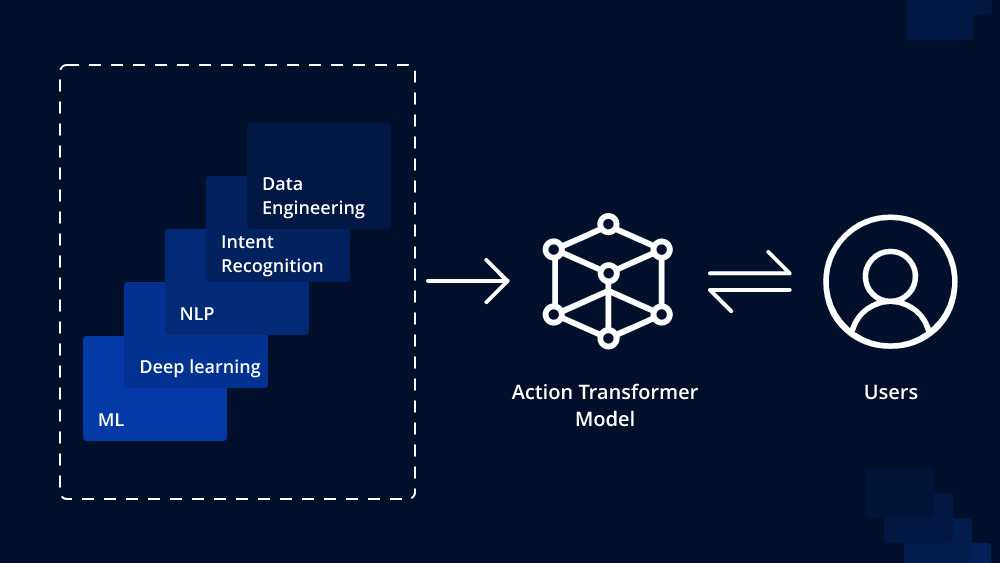







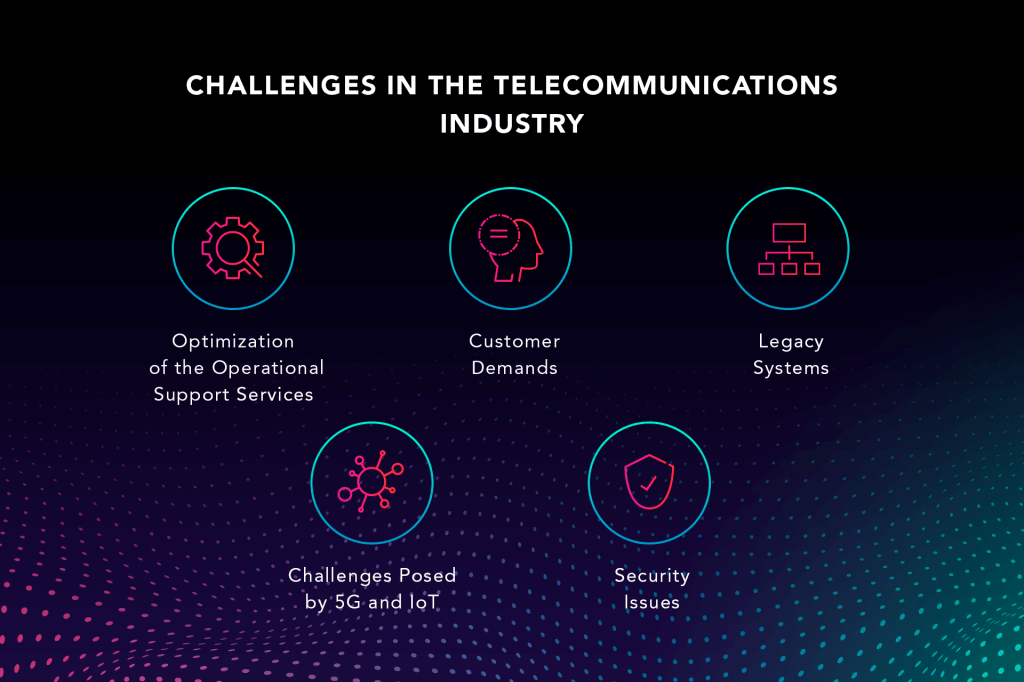


 Archie Evans Business